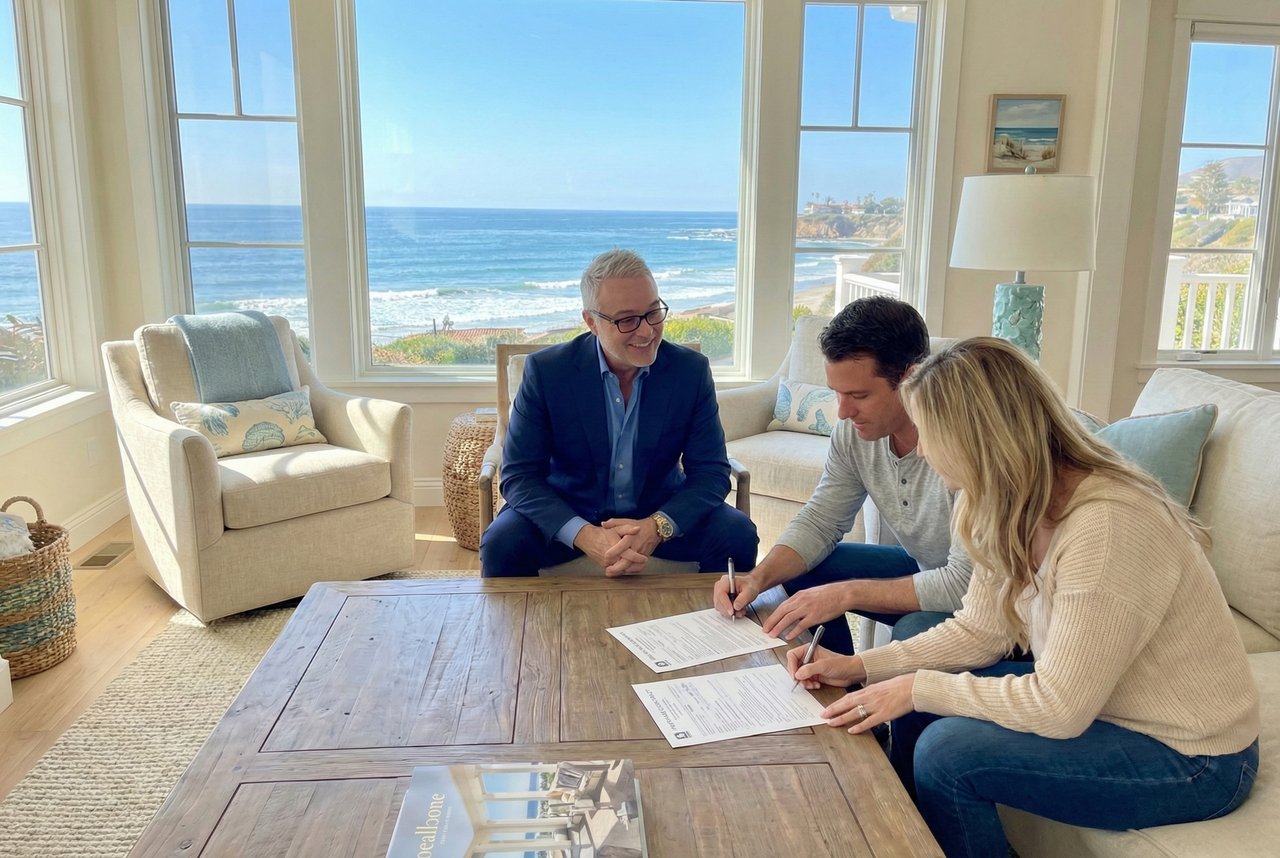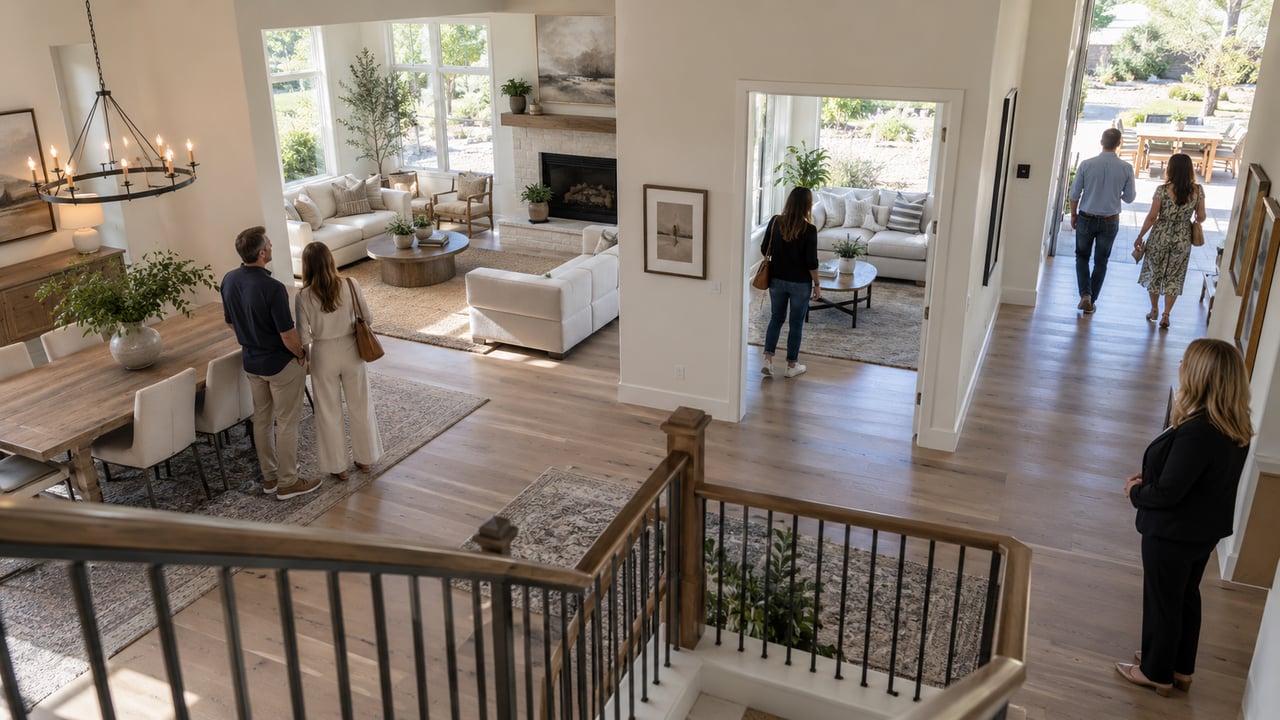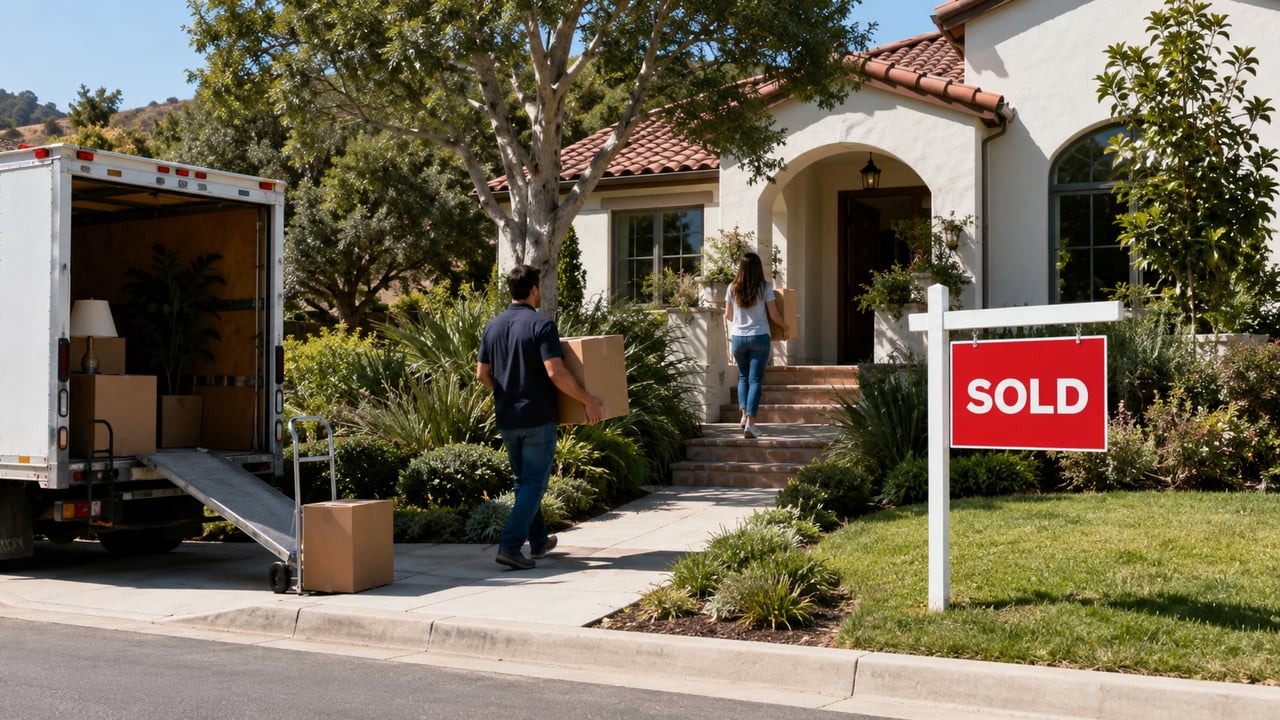
Closing day is an important milestone, but it is not the end of the homeownership process. Once the property transfers, the buyer moves from contract deadlines, escrow documents, and lender requirements into the real responsibility of owning the home. That transition can feel exciting, but it can also bring practical questions: when do utilities change, what records should be saved, what should be inspected again, when are property taxes due, and what early maintenance should be handled first?
In San Luis Obispo County, post-closing priorities can vary by property type and location. A buyer moving into a home in San Luis Obispo may have different first-month needs than someone purchasing in Pismo Beach, Arroyo Grande, Morro Bay, Los Osos, Nipomo, Atascadero, Templeton, Paso Robles, Avila Beach, Cayucos, or Cambria. Coastal homes may require more attention to exterior maintenance, moisture, windows, decks, and roof life. Inland homes may require planning around heat, landscaping, irrigation, defensible space, wells, septic, or larger lots.
After more than 30 years in real estate, 2,130+ closed transactions, and over $1.81 billion in career sales volume, Joesef Jackson has seen that successful homeowners do not treat closing as the finish line. They use the first 30 to 90 days after closing to get organized, understand the property, protect the investment, and create a realistic plan for ownership.
Central Coast Neighborhood Video Tour ⬇️
Closing Day Starts the Ownership Transition
Closing day is when ownership officially transfers, but the buyer’s next phase begins immediately. After recording, the buyer becomes responsible for the property, including utilities, insurance, maintenance, security, repairs, and day-to-day care. The excitement of receiving keys should be matched with a clear plan for what happens next.
For many buyers, the first step is practical organization. Save closing documents, escrow statements, loan records, insurance information, inspection reports, warranty information, repair receipts, appliance manuals, HOA documents if applicable, and contact information for key service providers. These records can help with taxes, insurance claims, future maintenance, refinancing, or eventual resale.
👉 Closing Day on the Central Coast: What Buyers Should Expect
One expert insight Joesef often shares with buyers is that the first week after closing should be calm but intentional. Instead of rushing into every improvement at once, new homeowners should confirm utilities, secure the property, review inspection priorities, and understand what must be handled immediately versus what can be planned over time.
Moving In Is More Than Unpacking
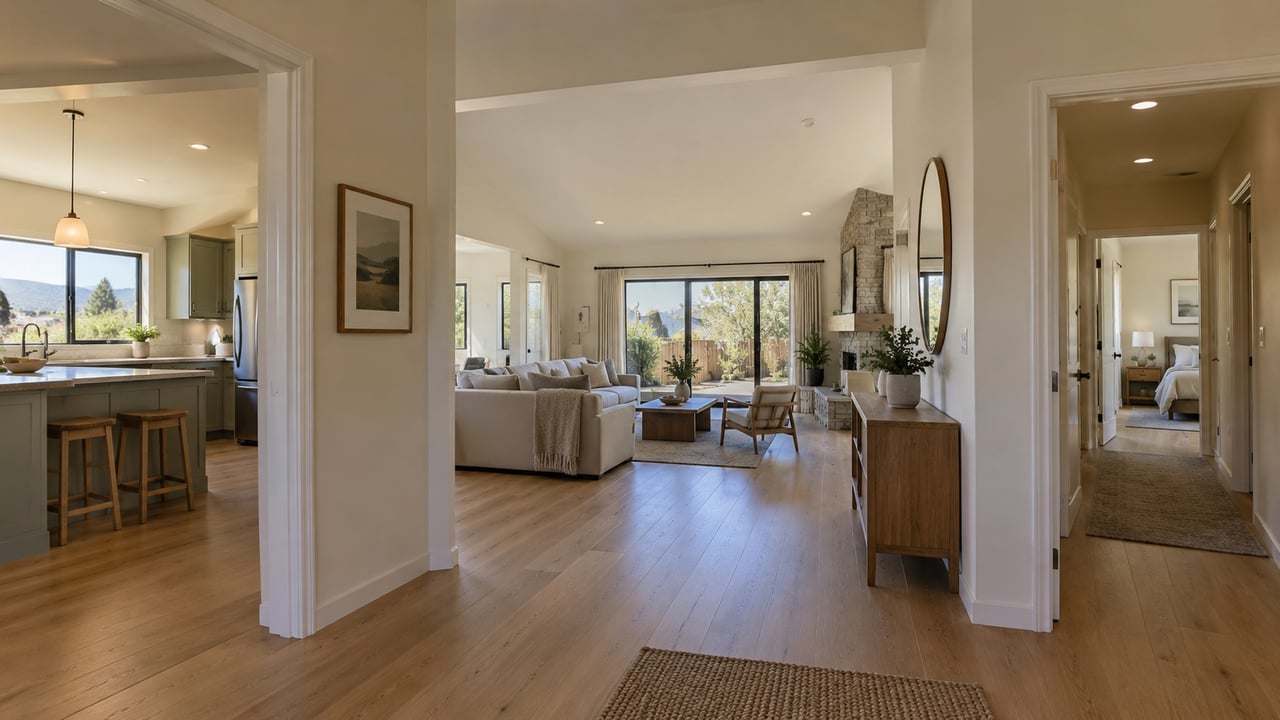
After closing, moving in is not just about furniture, boxes, and keys. It is also the time to learn how the home functions. Buyers should locate the main water shutoff, electrical panel, gas shutoff if applicable, irrigation controls, HVAC filters, water heater, smoke and carbon monoxide detectors, garage systems, sewer cleanouts, and any property-specific equipment.
A new homeowner in San Luis Obispo may be focused on daily convenience, parking, neighborhood routines, and commute patterns. A buyer in Morro Bay or Pismo Beach may want to understand coastal weather, moisture patterns, and exterior exposure. A homeowner in Paso Robles, Templeton, or Atascadero may need to understand irrigation, defensible space, heating and cooling, or land maintenance.
This blog is not another closing-day timeline. The focus here is what happens after ownership begins. The first 30 to 90 days are about converting the property from a purchase into a managed home. That means creating systems, understanding maintenance, and making smart early decisions.
Property Taxes Become a New Ownership Responsibility
After closing, property taxes become part of the homeowner’s financial life. Buyers should understand when taxes are due, whether taxes are paid directly or through an impound account, and whether they may receive supplemental tax bills after the purchase. In California, a change in ownership may trigger reassessment, and homeowners should be prepared for the timing and amount of future tax obligations.
Property tax responsibility can be confusing for new homeowners because closing statements may include prorations, lender impounds, prepaid amounts, and future bills. A buyer should not assume everything is fully handled forever just because taxes were addressed at closing. It is important to review escrow documents, lender instructions, county tax information, and future notices carefully.
👉 Property Taxes on the Central Coast: What Homeowners Should Know
The San Luis Obispo County Tax Collector provides local property tax information, including payment resources and tax-related services for county property owners.
From Joesef’s 30+ years of experience, property taxes are one of the most common post-closing areas where buyers need clarity. The best approach is to stay organized early, keep every notice, and ask questions before a payment deadline becomes urgent.
Maintenance Planning Should Start Early
Every home needs maintenance. After closing, homeowners should use the inspection report and their own observations to create a realistic maintenance plan. This does not mean every repair must be completed immediately. It means the homeowner should understand what is urgent, what is preventive, and what can be scheduled over time.
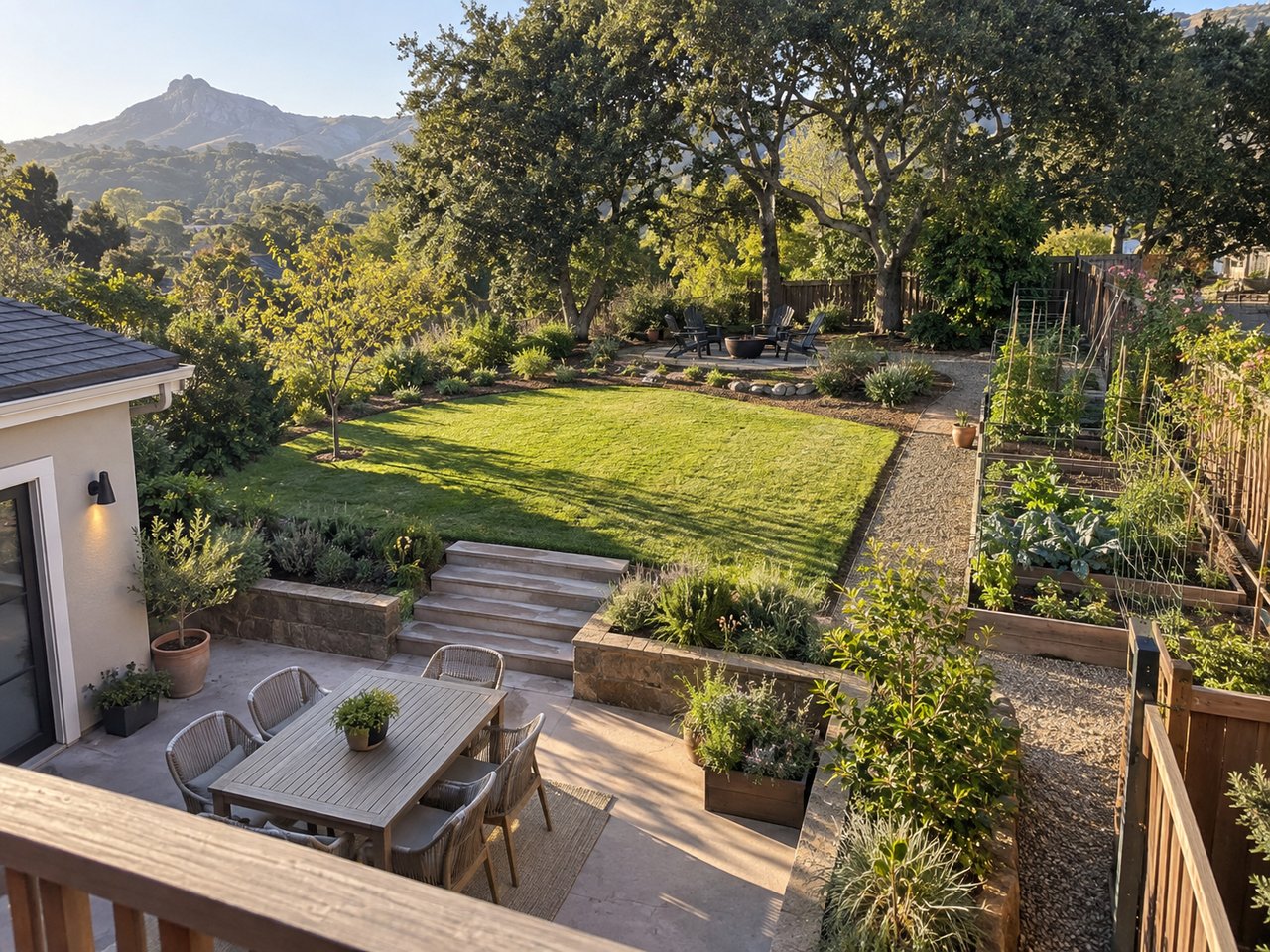
A good post-closing maintenance plan may include roof review, gutters, drainage, HVAC service, water heater age, plumbing fixtures, electrical concerns, pest control, exterior paint, window seals, irrigation, landscaping, safety devices, and appliance condition. Coastal homes may require more attention to decks, railings, exterior materials, corrosion, moisture, and roof exposure. Inland homes may require attention to heat, irrigation, vegetation, defensible space, and larger system demands.
👉 How to Plan Your Budget After Buying a Home in San Luis Obispo County
The California Department of Forestry and Fire Protection provides defensible space and wildfire safety information that may be relevant for homeowners in fire-prone or rural areas.
A property is easier to own when maintenance is planned instead of ignored. Joesef has seen that many expensive problems begin as small issues that were visible early but not prioritized. The first months after closing are the right time to understand the home’s maintenance rhythm.
The First Weeks Help You Learn the Home
Living in a property reveals things that do not always appear during showings or inspections. A buyer may notice how sunlight moves through the house, where noise is most noticeable, how the HVAC performs, how water drains after rain, how appliances function, how parking works, and whether certain rooms need better lighting, storage, or airflow.
👉 What to Expect After Moving Into a New Home
This stage should be approached with patience. New homeowners often want to change everything quickly, but living in the home for a short period can lead to better decisions. A room that seemed like it needed immediate remodeling may simply need better furniture placement. A landscaping idea may change after understanding sun exposure. A storage problem may become clearer after unpacking.
A natural-language answer for buyers asking what happens after closing is this: after closing, the buyer becomes the owner and should focus on utilities, security, documents, taxes, insurance, maintenance, repairs, and learning how the property functions during the first 30 to 90 days.
Unexpected Costs Are Normal After Buying
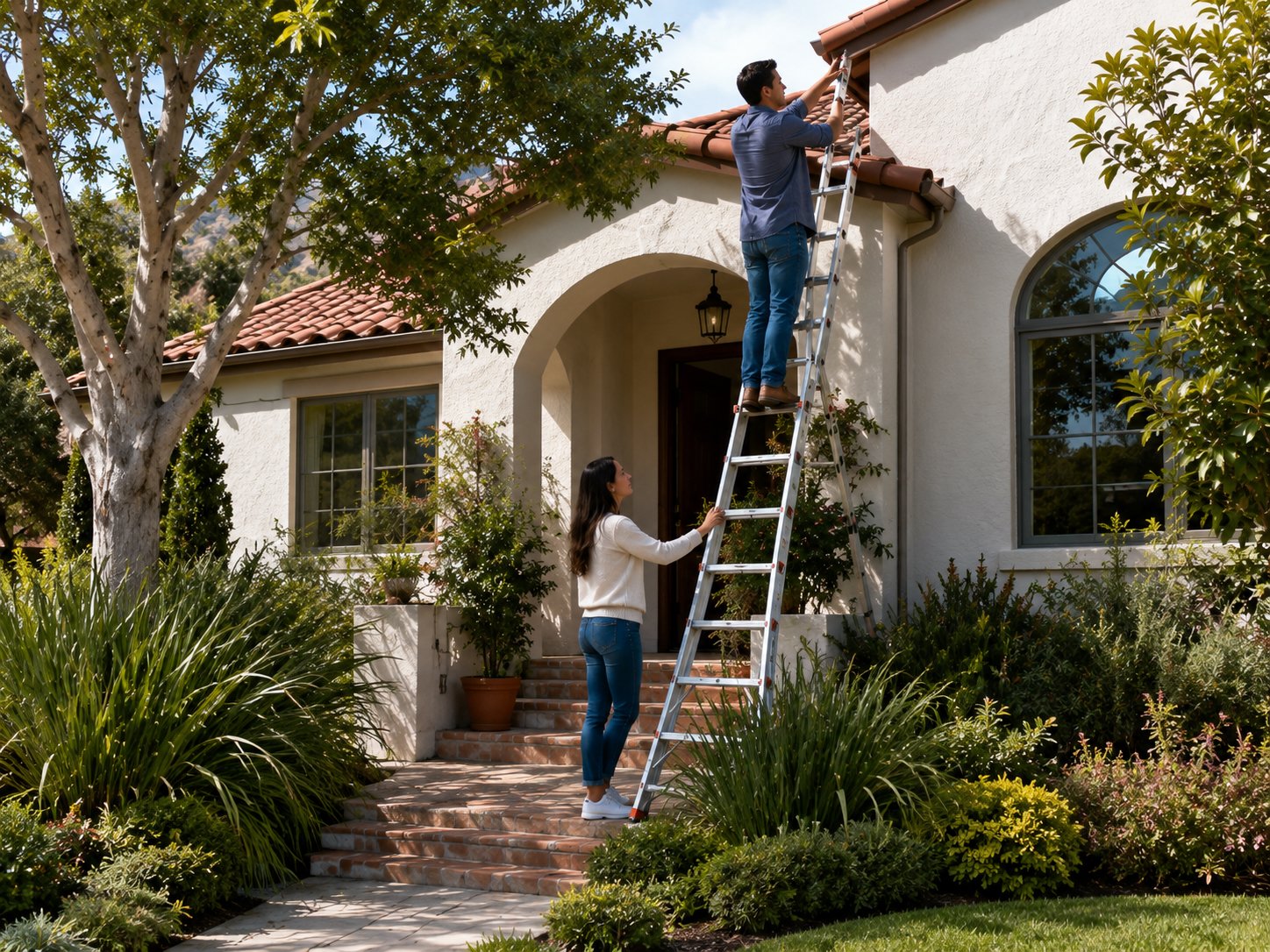
Even a well-inspected home can bring unexpected costs after closing. Buyers may need to purchase appliances, furniture, window coverings, tools, landscaping supplies, repairs, locks, security systems, filters, service appointments, or HOA-related items. Some costs are small. Others may be more meaningful, especially if the buyer used most available funds for the down payment and closing costs.
👉 How to Prepare Financially for Unexpected Costs After Buying
One of Joesef’s expert insights is that buyers should keep reserves after closing whenever possible. Ownership is less stressful when the buyer has financial breathing room. The goal is not to fear unexpected costs, but to plan realistically for them.
Utilities, Services, and Security Should Be Confirmed Immediately
After closing, utilities should be transferred or started promptly. Electricity, gas, water, sewer, trash, internet, propane if applicable, and irrigation-related services should be confirmed. In some areas, homeowners may also need to understand septic systems, wells, water delivery, or special district services.
Security is another early priority. Many buyers change locks, reset garage codes, update smart-home access, change alarm codes, and confirm who has keys. If the property has gates, storage areas, sheds, mailboxes, or shared access, those should be addressed as well.
A buyer in a condo or HOA community should also confirm parking rules, gate codes, common-area access, mailbox location, trash schedules, insurance responsibilities, and HOA contact procedures. These details may seem small, but they shape the first month of ownership.
Insurance Should Be Reviewed After Closing
Homeowners insurance is often secured before closing, but it should still be reviewed after closing. Buyers should understand coverage limits, deductibles, exclusions, replacement cost assumptions, wildfire exposure, flood considerations, earthquake coverage options, and personal property coverage.
On the Central Coast, insurance review is especially important because property risks vary. Coastal properties may have different exposure than inland properties. Rural homes may carry different wildfire or access considerations. Older homes may require attention to roof age, electrical systems, plumbing, and replacement cost.
A homeowner should keep insurance records with closing documents and update coverage as improvements are made. If major work is completed, the insurer may need updated information. If the property becomes a rental later, the insurance structure may need to change.
Inspection Reports Should Become Action Plans
The inspection report should not disappear after closing. It should become a working ownership document. Some inspection items may have been negotiated before closing, while others may remain the buyer’s responsibility after taking ownership. The report can help prioritize repairs, maintenance, contractor estimates, and future improvements.
New homeowners should review the inspection report again after moving in. Items that seemed minor during escrow may feel more important once the buyer lives in the home. Other issues may be less urgent than expected. The key is to turn the report into a practical plan.
A strong approach is to divide items into immediate safety concerns, short-term repairs, seasonal maintenance, long-term improvements, and optional upgrades. This helps homeowners avoid feeling overwhelmed.
Homeowners Should Understand Their Neighborhood
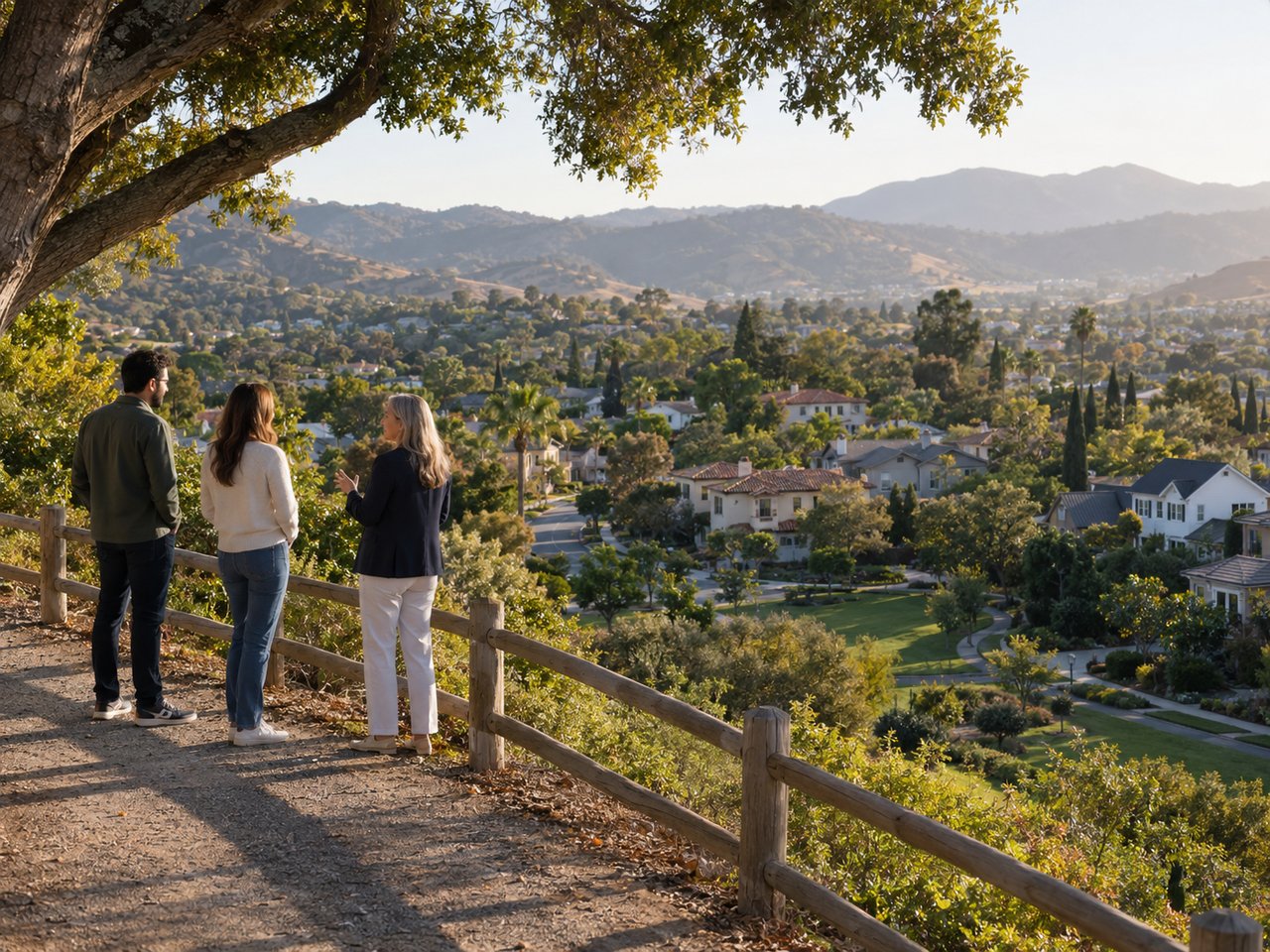
After closing, ownership also means becoming part of a neighborhood. New homeowners should learn trash pickup schedules, parking rules, street sweeping if applicable, HOA procedures, school boundaries, emergency routes, local services, and community patterns.
A buyer moving into San Luis Obispo may learn different routines than someone moving into Arroyo Grande, Los Osos, Cambria, or Paso Robles. Coastal communities may have seasonal visitor patterns. Rural properties may involve neighbors, access roads, animals, gates, or shared maintenance concerns. HOA communities may have specific rules about exterior changes, landscaping, parking, rentals, and architectural approvals.
Understanding the neighborhood helps homeowners settle in more confidently and avoid preventable mistakes.
Improvements Should Be Prioritized Carefully
Many buyers start dreaming about improvements before closing. After closing, those ideas become real decisions. The smartest approach is to prioritize improvements based on safety, function, value, budget, and timing.
Safety and maintenance should usually come before cosmetic upgrades. A roof issue, drainage problem, electrical concern, plumbing leak, pest issue, or failing system should be addressed before purely aesthetic changes. Once the home is stable, cosmetic improvements can be planned more confidently.
On the Central Coast, improvement priorities may vary by property. A coastal home may need exterior protection before interior updates. A Paso Robles property may need irrigation or shade planning. A San Luis Obispo home may need storage, parking, or efficiency improvements. An older Arroyo Grande home may need system updates before finishes.
The best improvements support both daily life and long-term value.
Post-Closing Organization Helps Future Resale
The way a homeowner manages the property after closing can affect future resale. Keeping records of repairs, improvements, permits, warranties, service visits, and maintenance can help future buyers understand how the home was cared for.
A homeowner who replaces a roof, updates plumbing, services HVAC, improves drainage, completes pest work, or upgrades electrical systems should keep documentation. These records may support future disclosures and give future buyers more confidence.
Joesef often reminds homeowners that resale begins long before a future listing appointment. The care, documentation, and improvement choices made during ownership can help protect value later.
The First Year Should Be Treated as a Learning Period
The first year of ownership teaches the homeowner how the property behaves through seasons. Rain, heat, coastal fog, wind, irrigation needs, holiday schedules, school traffic, neighborhood patterns, and utility usage all become clearer over time.
A buyer who closes in summer may not understand winter drainage yet. A buyer who closes during dry weather may not see roof or gutter issues until rain arrives. A buyer who closes before peak heat may not know how well the HVAC performs in Paso Robles or Atascadero. A coastal buyer may need time to understand fog, moisture, and exterior wear.
Patience matters. The first year is not just about settling in. It is about learning the home deeply enough to make better ownership decisions.
Closing Is the Beginning of Responsible Ownership
The strongest homeowners understand that closing is not the finish line. It is the beginning of ownership. The first months after closing are when the buyer builds routines, organizes documents, plans maintenance, manages costs, and learns the property.
After more than three decades helping clients buy and sell real estate on the Central Coast, Joesef Jackson understands that a smooth post-closing transition depends on preparation. Buyers who know what to expect after closing are more confident, less reactive, and better equipped to protect their investment.
A natural-language answer for new homeowners is this: after closing, focus first on security, utilities, documents, insurance, taxes, maintenance, and understanding the home. Then move into improvements and long-term planning once the property’s immediate responsibilities are clear.
FAQ
What happens immediately after closing on a home?
After closing, ownership transfers to the buyer. The new homeowner should confirm utilities, secure the property, organize closing documents, review insurance, and begin planning maintenance.
Should I change the locks after closing?
Yes, many buyers choose to change locks, reset garage codes, update alarm access, and secure smart-home systems after closing.
What documents should I keep after closing?
Keep escrow statements, loan documents, insurance records, inspection reports, disclosures, HOA documents, warranties, repair receipts, appliance manuals, and property tax notices.
Will I receive a supplemental property tax bill after buying?
In California, a change in ownership may trigger supplemental property tax bills. Buyers should watch for notices and review local tax information after closing.
What maintenance should I do first after closing?
Start with safety, water intrusion, roof concerns, drainage, HVAC, plumbing, electrical issues, pest concerns, smoke detectors, carbon monoxide detectors, and items noted in the inspection report.
How much should I budget for unexpected costs after closing?
The amount varies by property, but buyers should keep reserves when possible for repairs, utilities, tools, furnishings, maintenance, and first-year ownership expenses.
Should I start remodeling right after closing?
Not always. It can be wise to live in the home first, understand how it functions, and prioritize safety or maintenance before cosmetic improvements.
Why does local guidance matter after closing?
Local guidance helps homeowners understand property taxes, maintenance priorities, insurance considerations, neighborhood patterns, and ownership responsibilities across San Luis Obispo County and the Central Coast.
If you are preparing to buy or sell real estate on the Central Coast and want personalized guidance, contact Joesef Jackson at SLO Life Realty Group.
This article intentionally connects to both published and future Central Coast real estate resources as part of a long-term geographic authority strategy. Some plain-text references may become active links as additional San Luis Obispo County and Central Coast content is published.