A practical guide to establishing a competitive asking price based on current buyer behavior, comparable sales, property condition, and neighborhood-level demand across San Luis Obispo County.
Pricing a home correctly on the Central Coast requires more than reviewing a few recent sales and choosing the highest number that seems possible. The asking price establishes how buyers discover the property, which competing homes they compare it against, how seriously they engage during the first weeks, and how much negotiating leverage the seller may retain once offers arrive.
In San Luis Obispo County, pricing can vary substantially among communities and even between nearby neighborhoods. A renovated home in San Luis Obispo may compete differently than a coastal property in Pismo Beach, an original-condition residence in Morro Bay, a larger home in Arroyo Grande, or an acreage property near Paso Robles. Each attracts buyers with different expectations involving location, condition, monthly cost, maintenance, and long-term use.
The right list price is not necessarily the highest price a seller hopes to receive or the lowest price designed to generate immediate activity. It is the price that positions the property convincingly against the homes buyers can purchase at the same time. When the asking price reflects current evidence and the home’s actual competitive position, buyers are more likely to recognize its value and engage seriously.
Central Coast Neighborhood Video Tour ⬇️
Pricing Strategy Shapes the Entire Sale
The list price affects nearly every stage of the transaction. It influences online search visibility, showing volume, buyer expectations, appraisal exposure, offer quality, negotiating leverage, and the time required to secure an acceptable contract.
Today’s buyers have access to recent sales, property histories, price reductions, estimated payments, and competing inventory. They can identify quickly when a home appears disconnected from other available choices. A property may be attractive, well maintained, and located in a desirable area, yet still receive limited interest when buyers believe the asking price exceeds the value of its advantages.
A competitive price does not mean discounting the property. It means establishing a position that buyers can understand and support. The strongest pricing analysis considers current listings, pending activity, recent closed sales, condition, location, lot characteristics, improvements, buyer demand, and the number of realistic alternatives within the same range.
After more than 30 years in real estate, Joesef Jackson has found that the opening price is one of the few elements a seller can control completely before the market begins responding. Once a listing accumulates time without meaningful activity, buyers may begin evaluating not only the home but also why it has remained available.
👉 What Happens If Your Central Coast Home Doesn’t Sell? Smart Next Steps
A home that does not attract serious interest may eventually require a change in price, presentation, access, or overall strategy. Correct positioning from the beginning gives the seller a better opportunity to benefit from the period when the listing is new and buyer attention is typically strongest.
Market Value and List Price Are Different

Strategic pricing can generate demand, urgency, and favorable offer terms.
Market value represents the range a qualified buyer is likely to support under current conditions. The list price is the seller’s chosen market position. Those figures may be related, but they are not automatically identical.
A list price can be set above the likely value range, within it, or strategically near a point designed to attract a wider buyer pool. The appropriate approach depends on the property, competition, seller priorities, and current demand.
Market value is not determined by what the seller paid, how much was invested in improvements, or the amount needed for the next purchase. Those facts may matter to the seller’s financial planning, but buyers evaluate the property against other available choices.
Recent closed sales provide evidence of what buyers have paid. Pending sales indicate which homes have attracted accepted offers, although the final terms may not yet be public. Active listings show the competition buyers can choose today. Expired and canceled listings can reveal prices or strategies the market did not accept.
The most relevant comparable is not always the nearest home or the property with the closest square footage. Buyers may compare across neighborhoods or communities when homes compete for the same budget and intended use. A buyer considering a smaller updated residence in San Luis Obispo may also examine a larger original-condition home in Atascadero. A coastal condominium in Pismo Beach may compete with a detached home in Grover Beach.
Appraisal Risk Should Be Considered Before an Offer Arrives
A buyer may agree to the asking price, but a financed transaction commonly requires an appraisal. The appraiser evaluates the property using recent sales, market conditions, physical characteristics, and other relevant evidence.
👉 What Happens If a Home Appraisal Comes in Low on the Central Coast?
When the appraised value is below the contract price, the transaction may require additional negotiation. The buyer may need to contribute more cash, the seller may reduce the price, the parties may reach another agreement, or the transaction may be placed at risk depending on the contract terms.
This does not mean a seller must price solely according to a future appraisal. It does mean the asking price and expected sale price should be supported by credible market evidence, especially when likely buyers will depend on financing.
Unique properties require additional care. A custom residence, ocean-view home, acreage property, guest-house configuration, or heavily improved estate may have fewer direct comparisons. In those cases, the pricing analysis should explain how the property differs and which features are likely to contribute measurable buyer value.
With more than 2,130 career transactions, Joesef has seen that appraisal problems are easier to address when the original pricing position was built from current evidence rather than an unsupported target. Documentation involving improvements, permits, quality, condition, and relevant comparable properties can become important later in the transaction.
Current Competition Matters More Than Old Expectations
Pricing should reflect the market the home is entering now. A sale from six months ago may remain relevant, but changes in inventory, financing conditions, buyer activity, and competing property quality can alter how buyers respond today.
👉 How Market Conditions Affect Home Values on the Central Coast
When inventory is limited and several buyers are competing for similar homes, sellers may have more pricing power. When buyers have multiple comparable options, they can be more selective about condition, location, and value.
San Luis Obispo County does not move as one uniform market. Demand for a walkable San Luis Obispo home may differ from demand for a coastal residence in Cambria, a planned-community home in Nipomo, or a rural property near Templeton. Price range also matters. Entry-level, move-up, luxury, coastal, and investment properties can experience different levels of activity at the same time.
Sellers should therefore avoid relying too heavily on broad headlines or countywide averages. Local evidence should be narrowed to the property’s likely buyer pool and realistic competition.
The strongest pricing decisions answer several questions. Which homes will buyers see in the same search? What advantages does the subject property offer? Where does it require compromise? How much do buyers appear willing to pay for those differences? The asking price should make sense within those comparisons.
Overpricing Can Reduce More Than Showing Activity
The most significant risk of overpricing is not simply that the home may take longer to sell. It is that the listing can lose the concentrated attention that often occurs when a property first enters the market.
Buyers who have been actively searching may notice a new listing immediately. If the price appears unreasonable, many will not schedule a showing merely to test whether the seller is negotiable. They may wait for a reduction or move on to another property.
Limited early activity can also affect perception. As market time grows, buyers may begin assuming that the property has a hidden problem or that the seller will become more flexible. This can weaken negotiating leverage even when the home itself has not changed.
Overpricing can create a difficult sequence: limited showings, extended market time, price reductions, increased buyer skepticism, and offers below what might have been achieved with a stronger opening position.
A seller can always reduce the price later, but a reduction does not recreate the first day on the market. The property returns to buyer searches with an established history, and the new price may be interpreted through that history.
Strategic Pricing Can Create Better Offer Conditions
A well-positioned home may attract more than one interested buyer, especially when condition, location, presentation, and price align with current demand.
👉 How Multiple Offers Work on the Central Coast (From a Seller’s Perspective)
Multiple offers do not result from price alone. They develop when several qualified buyers see sufficient value in the same property at approximately the same time. The list price can support that environment by placing the home within a competitive search range and encouraging buyers to act.
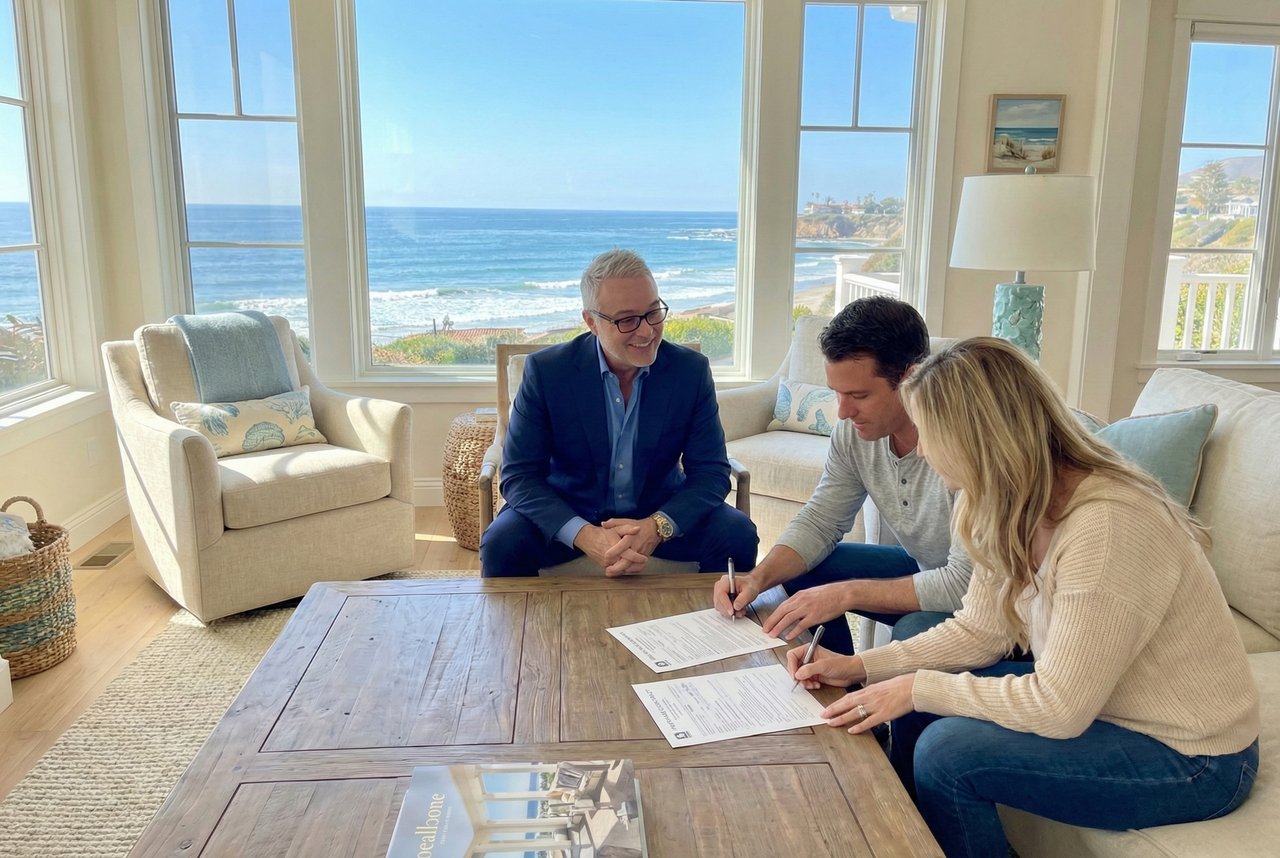
When several offers arrive, sellers can evaluate more than the highest number. Financing, deposit, contingencies, appraisal exposure, requested credits, possession, and closing date all affect the strength of a proposal.
Pricing aggressively above the supported range can reduce the likelihood of that competition. Pricing competitively can increase engagement, but sellers should not assume that deliberately underpricing every property will produce a higher result. The strategy must be appropriate for the home, buyer pool, and local conditions.
Joesef’s experience with more than $1.81 billion in career sales volume has shown that the strongest pricing strategy is rarely based on a single formula. It balances market evidence with buyer psychology, search behavior, property distinction, and the seller’s financial and timing priorities.
Condition Must Be Reflected in the Asking Price
Buyers compare condition as carefully as size and location. An updated home may justify a premium when the work is well executed and major systems have also been maintained. An original home may remain highly desirable when it offers architectural character, a strong lot, or a superior location.
The mistake is pricing a property as though its condition does not affect buyer cost. Buyers consider the expenses and inconvenience that may follow the purchase. Roofing, plumbing, electrical systems, windows, drainage, exterior maintenance, kitchens, bathrooms, and landscaping can all influence what a buyer is prepared to pay.
Sellers do not need to complete every improvement before listing. Some projects may not return their cost, while others may remove objections that would otherwise reduce demand. The pricing strategy should account honestly for the condition that will exist when buyers see the property.
A home in original but carefully maintained condition can be priced successfully when the market position reflects both its strengths and the work a buyer may choose to complete. A partially remodeled home may be harder to evaluate when visible improvements are paired with aging systems or inconsistent workmanship.
Search Ranges Can Influence Buyer Exposure
Buyers commonly set maximum prices when searching online. A home priced just above a widely used threshold may be excluded from searches where it would otherwise compare well.
For example, a buyer searching up to a particular amount may never see a listing positioned slightly above that limit. The home may instead appear alongside properties in a higher range offering more space, newer construction, stronger views, or fewer projects.
This does not mean every property should be priced below a round number. It means search behavior should be part of the decision. The asking price determines which buyers discover the listing and which homes appear beside it.
Exposure is valuable only when the property is placed before the right audience. Broad visibility cannot compensate for a price that causes buyers to reject the home before scheduling a visit.
Price Adjustments Should Respond to Evidence

Price adjustments work best when they are proactive, data driven, and timely.
A price adjustment may become appropriate when the market response shows that the original position is not producing serious engagement.
👉 When a Price Reduction Makes Sense on the Central Coast (and When It Doesn’t)
Useful indicators include low showing volume, repeated buyer objections concerning value, stronger activity at competing listings, extended market time, or new sales that change the comparable evidence.
A price adjustment should be meaningful enough to change the home’s competitive position. Small repeated reductions can make a listing appear reactive without placing it into a new search range or creating a stronger comparison.
Before changing the price, the seller should identify the actual barrier. Limited access, weak presentation, incomplete information, visible maintenance, or poor communication of a unique feature may also suppress activity. Correcting those issues may be appropriate, but they should not be used to avoid a price problem supported by consistent market evidence.
Timing matters. A prompt, data-based adjustment can restore attention while the listing remains relevant. Waiting until the property has accumulated substantial market time may require a larger correction to produce the same response.
Investment Logic Should Not Control a Primary-Residence Price
Some properties attract both owner-occupants and investors, but those buyers may evaluate value differently.
👉 Is Buying a Rental Property on the Central Coast Still a Smart Investment?
An investor may focus on rent, vacancy, expenses, financing, maintenance, and expected return. A primary-residence buyer may place greater weight on location, layout, condition, lifestyle, and emotional appeal.
A seller should understand which audience is most likely to purchase the property. Pricing a conventional residence solely according to an optimistic rental projection can disconnect it from owner-occupant comparisons. Pricing an income-producing property without considering actual operating performance can overlook the concerns of investors.
This distinction can be important near Cal Poly, in coastal communities with rental regulations, and for duplexes, guest units, or properties with flexible occupancy. The price should reflect the use that buyers can reasonably support, not an assumed income scenario that may not apply.
Seller Net Proceeds Depend on More Than the Highest Price
The list price influences the eventual sale, but sellers should evaluate the complete financial result. A high contract price accompanied by large credits, extensive repairs, appraisal risk, or uncertain financing may produce a different outcome than a slightly lower but more dependable offer.
Time also carries a cost. Mortgage payments, taxes, insurance, utilities, maintenance, and relocation expenses continue while the property remains unsold. An extended listing period may affect the seller’s next purchase or other financial plans.
Pricing correctly does not guarantee a particular sale price or timeline. It gives the property a stronger opportunity to attract qualified buyers before prolonged market exposure changes the negotiating environment.
The objective is not simply to obtain the highest initial offer. It is to achieve a successful closing with terms and net proceeds that support the seller’s priorities.
Pricing Should Be Reviewed as the Market Evolves
A pricing analysis is completed before the listing launches, but the market continues changing. New homes enter, competing listings reduce their prices, properties go pending, and recent sales establish new evidence.
Sellers should review those developments throughout the listing period. A home that was positioned well on the first day can become less competitive if superior alternatives appear or buyer activity shifts.
Market response should be evaluated in context. One quiet week may not justify a change, especially for a distinctive or higher-priced property. A sustained pattern of limited engagement while competing homes receive offers deserves closer attention.
Direct representation from the first conversation through closing allows Joesef to connect pricing, buyer feedback, competing inventory, offer terms, and changing market conditions within one consistent strategy.
A Strong Opening Price Protects the Seller’s Options
Pricing a home correctly on the Central Coast requires a disciplined assessment of current evidence, buyer behavior, property condition, competition, and local differences across San Luis Obispo County.
The right asking price should make the home understandable within its market. It should account for what buyers can purchase elsewhere, what distinguishes the property, and which compromises are reflected in the price.
An unsupported number can reduce early interest and create pressure later. A well-supported position can attract qualified attention, preserve negotiating leverage, and give the seller more control over timing and offer selection.
The goal is not to predict the market perfectly. It is to enter the market with a price that buyers can evaluate seriously and that the seller can defend with current, property-specific evidence.
Frequently Asked Questions
How is a home’s list price determined?
The list price is established by evaluating recent sales, active competition, pending activity, location, condition, property features, buyer demand, and the seller’s timing and financial priorities.
Is the highest suggested price always the best choice?
No. A higher list price can reduce buyer engagement when it places the home above comparable alternatives or outside important search ranges.
Should sellers price below market value to create multiple offers?
Not automatically. The strategy depends on the property, competition, buyer demand, and local market conditions. Deliberate underpricing is not appropriate for every home.
How quickly should buyers respond to a new listing?
Qualified buyers often review new listings quickly, particularly when inventory is limited. This makes the home’s opening price and presentation especially important.
Does an online home-value estimate determine market value?
No. Automated estimates may provide general context but cannot fully evaluate condition, views, lot quality, improvements, location nuances, or current competition.
When should a seller consider reducing the price?
A reduction may be appropriate when showing activity, buyer feedback, competing sales, or market changes consistently indicate that the current price is not supported.
Can a home sell above the asking price?
Yes. A home may sell above asking when multiple buyers compete, but the result depends on demand, offer terms, appraisal considerations, and the property’s market position.
Does pricing affect the appraisal?
The list price does not determine the appraisal. The appraiser evaluates market evidence and property characteristics, although the contract price and supporting comparable sales are part of the transaction context.
If you are preparing to buy or sell real estate on the Central Coast and want personalized guidance, contact Joesef Jackson at SLO Life Realty Group.