Property presentation is not simply decorating a home before it goes on the market. Effective presentation makes the property itself easier for buyers to experience by establishing room purpose, preserving visible scale, improving circulation, controlling distractions, and drawing attention toward features that matter. The strongest presentation does not ask buyers to admire the furnishings. It gives them enough visual structure to understand how the home works and enough restraint to imagine using the property themselves.
That distinction matters throughout San Luis Obispo County because presentation should change with the property. A compact Morro Bay home may need furnishings edited carefully so limited square footage remains visible, while a larger Templeton property may require enough furniture to establish the scale and purpose of expansive rooms. An older San Luis Obispo residence may benefit from preserving architectural character instead of trying to make every space appear contemporary. There is no single staging formula that fits every home on the Central Coast.
Sellers should approach presentation as a coordinated part of the listing strategy rather than a final decorating exercise. Furniture, lighting, surfaces, window coverings, exterior areas, photography, and showing conditions should all reinforce the same understanding of the home. When those elements work together, buyers spend less time looking past distractions and more time evaluating the property's actual space, features, and usefulness.
Central Coast Neighborhood Video Tour ⬇️
Presentation Should Direct Attention Toward the Property
👉 Should You Stage an Empty House Before Selling on the Central Coast?
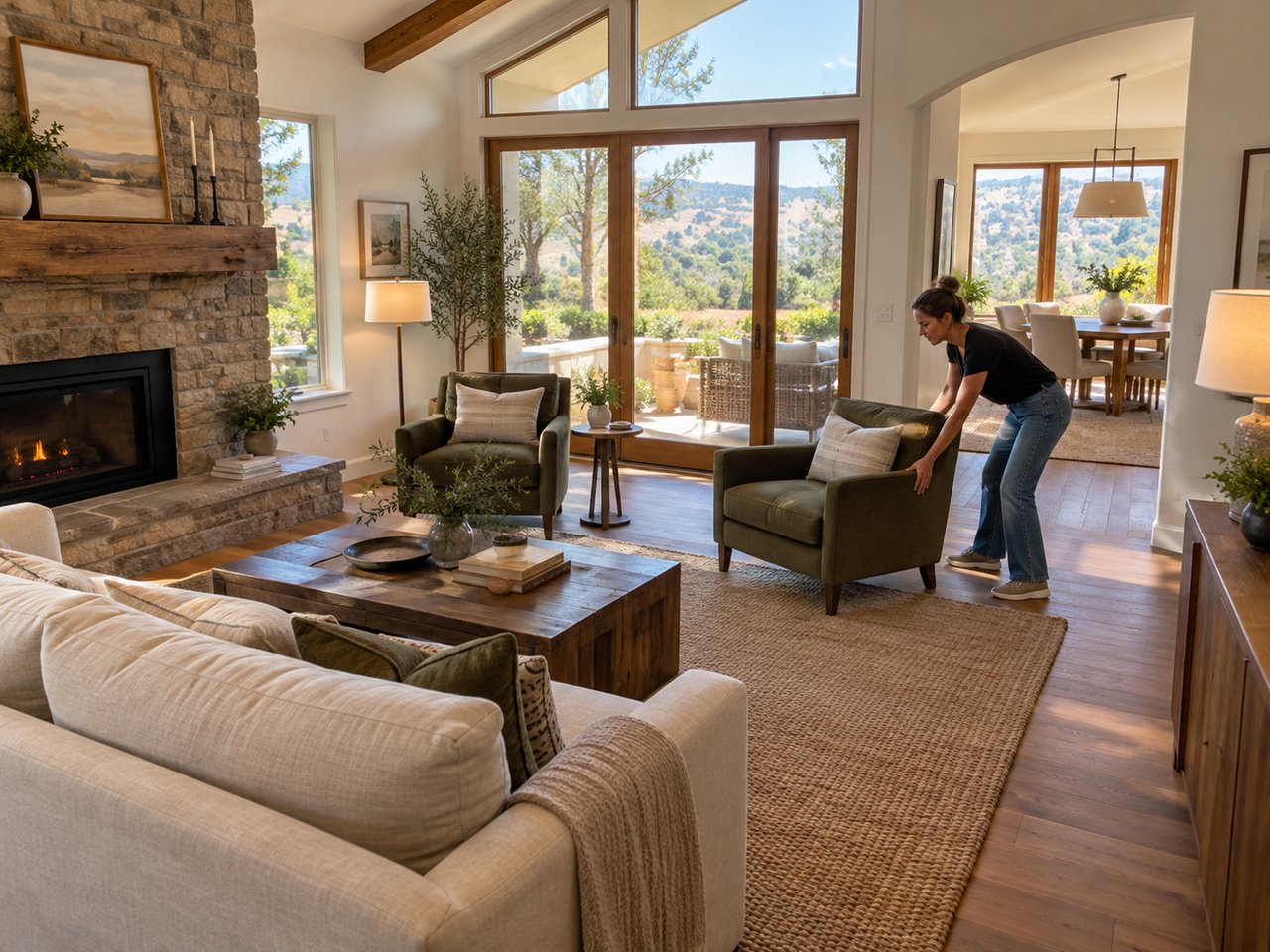
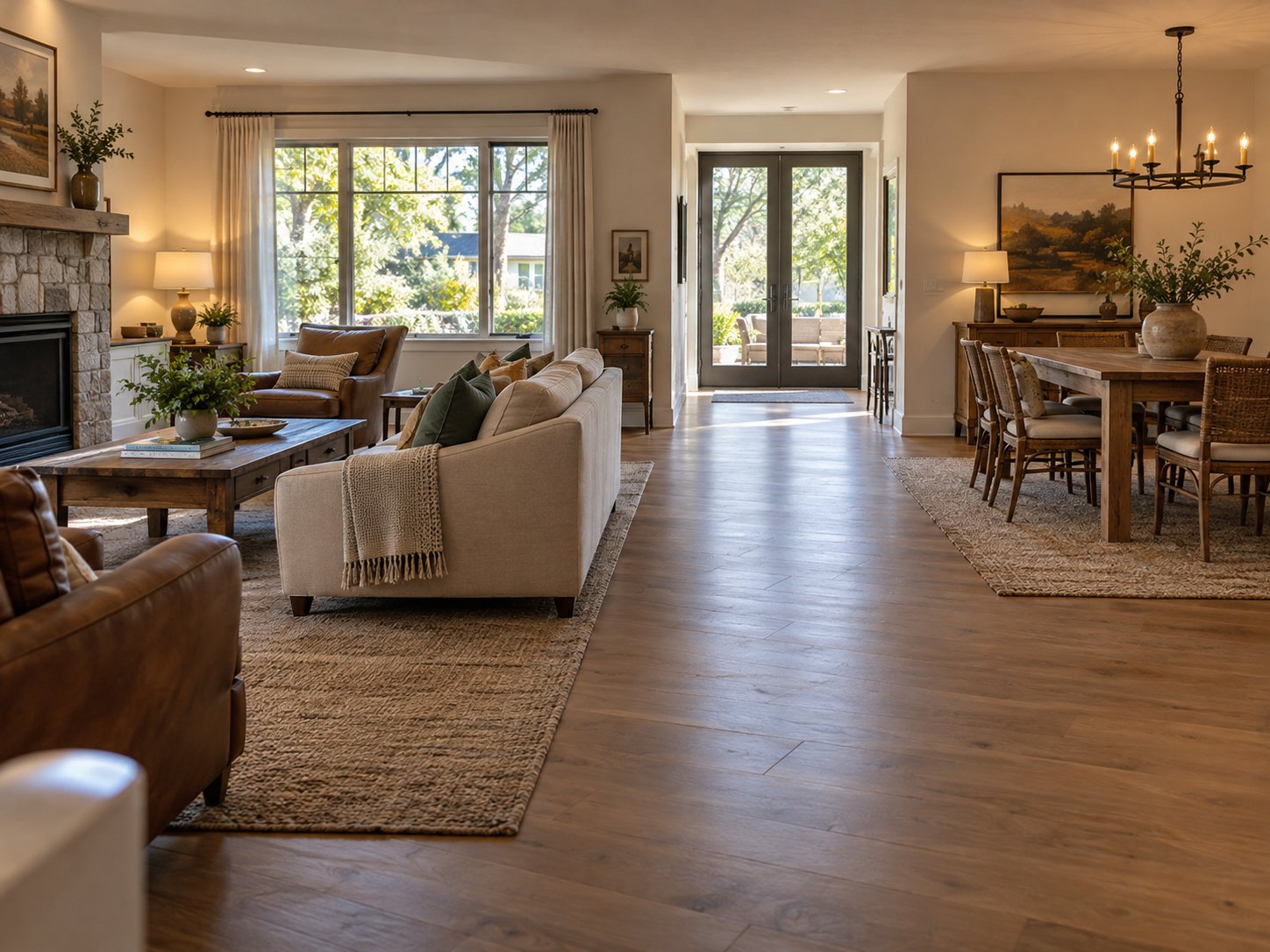
Staging is useful when it gives buyers scale and context, but the furniture should never become the main event. A room containing the right amount of furniture can demonstrate where a seating area belongs, how large a dining table fits, or whether circulation remains comfortable around major pieces.
The National Association of REALTORS® reported in its 2025 Profile of Home Staging that 83% of buyers' agents said staging made it easier for buyers to visualize a property as their future home. The same research showed that living rooms, primary bedrooms, and dining areas were among the rooms most commonly staged.
That does not mean every room needs furniture or decorative styling. Presentation works when buyers understand scale and function more quickly. If buyers are studying the sofa, artwork, and accessories instead of the room itself, the property may be over-presented.
Showing Preparation Should Preserve the Way the Home Lives
👉 How to Prepare for Showings on the Central Coast
A home can photograph well and still present poorly during a showing if the physical experience feels different from the marketing.
Before each showing, circulation paths should remain open, window coverings should support available natural light, interior lighting should be consistent, and frequently used rooms should retain their intended purpose. Buyers should not have to move around oversized furniture, stacked belongings, or temporary storage simply to understand the space.
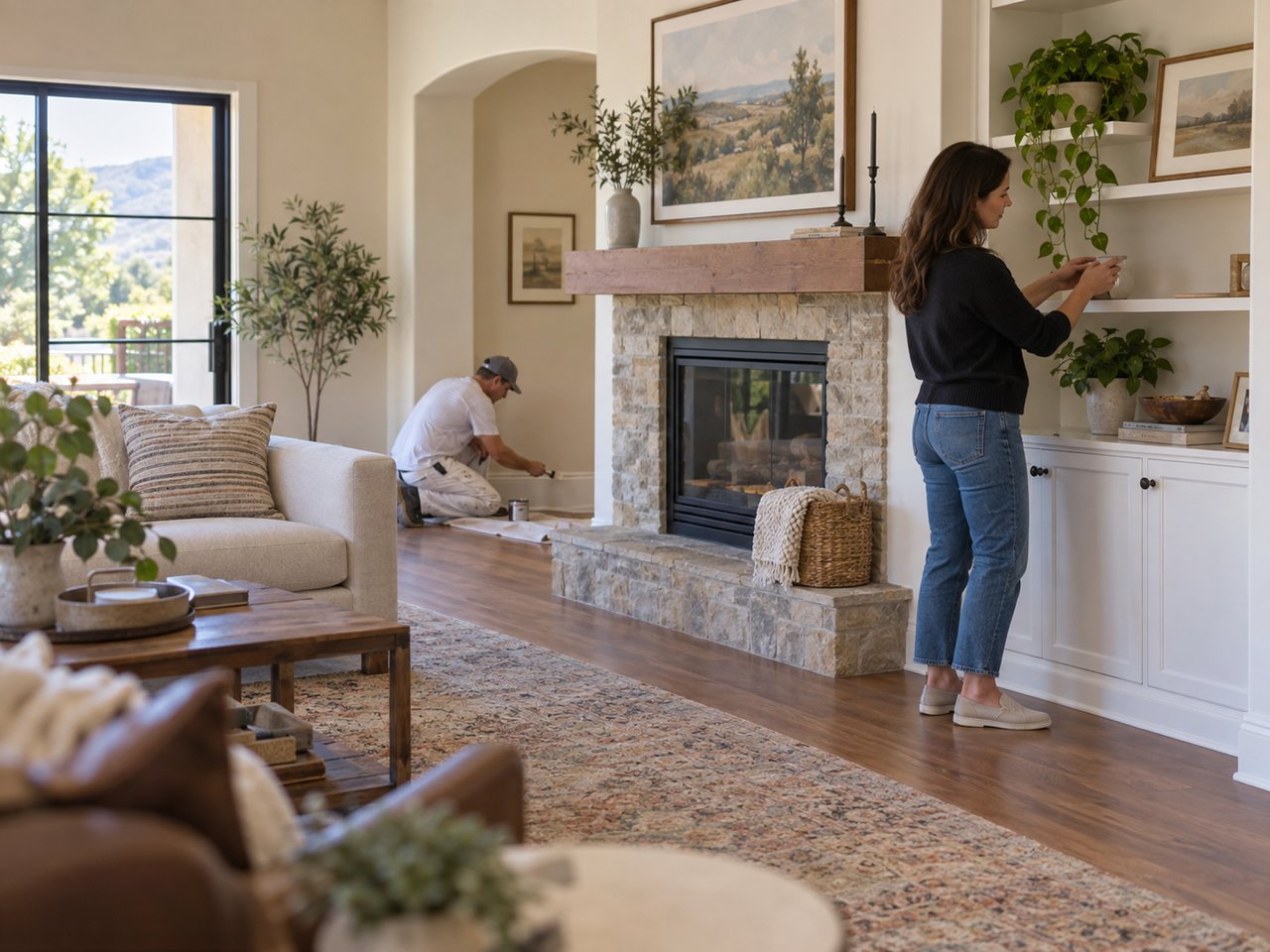
Occupied homes require particular discipline because normal daily life gradually changes the presentation. Countertops refill, chairs migrate, closets become crowded, and outdoor equipment returns to visible areas. Sellers do not need to recreate a photo shoot before every showing, but the basic spatial relationships should remain intact.
Presentation is strongest when the home feels comfortably lived in without feeling visually occupied by someone else's routines. Buyers should be able to experience the property without constantly noticing what belongs to the current owner.
Photography and the Showing Should Describe the Same Home
👉 How to Prepare Your Home for Professional Photography on the Central Coast
Professional photography and physical presentation should reinforce one another. Buyers often establish expectations online before they ever enter the property, so a dramatic difference between the photos and the showing can weaken the experience.
Furniture should remain reasonably consistent with the photographed layout when practical. If photography shows an open passage between the living and dining areas, that passage should not later be blocked by relocated furnishings. If an outdoor seating area appears functional online, it should not be filled with stored equipment when buyers arrive.
Digitally altered real estate images also require particular care in California. The California Department of Real Estate notes that, beginning January 1, 2026, digitally modified images that change a property's appearance require disclosure, and the original unaltered image must be available to consumers.
Photography can improve presentation, but it should not create an experience the physical property cannot support.
Strong Presentation Turns Exposure Into Useful Attention
👉 How to Maximize Exposure When Selling in San Luis Obispo County
Exposure places a listing in front of buyers. Presentation determines what they can understand once they see it.
A home may receive substantial online visibility and still fail to hold attention if the rooms feel crowded, important features disappear behind furnishings, or the photographs make spaces difficult to interpret. More exposure does not correct weak presentation; it simply exposes the same problem to more buyers.
Sellers should therefore examine the listing through a sequence of buyer experiences. What does the first image communicate? Which space establishes the home's character? Can a buyer recognize where the strongest outdoor area connects? Do secondary rooms look useful or forgotten?
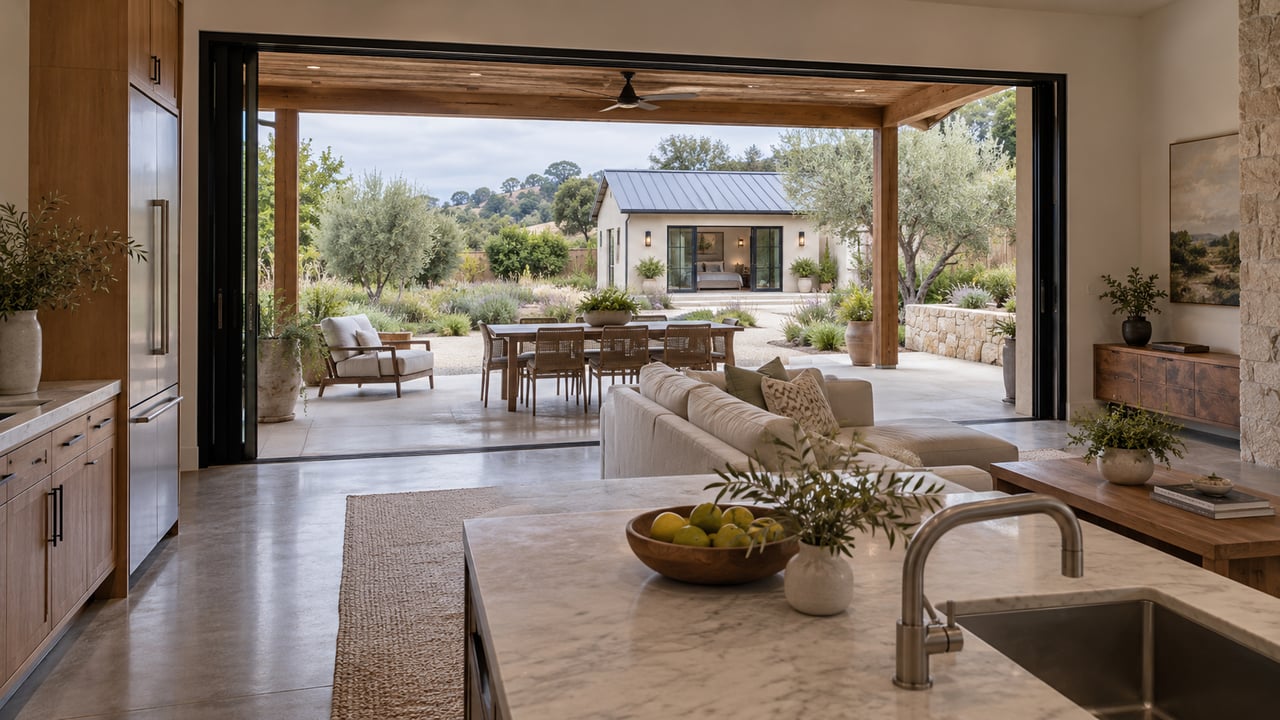
In an Arroyo Grande property with substantial indoor-outdoor use, for example, presentation might emphasize the transition between kitchen, dining, and patio rather than filling each area independently with furniture. The objective is to create visual continuity so exposure leads buyers toward meaningful features instead of decorative details.
Visual Friction Can Cause Buyer Attention to Drift
👉 How to Avoid Losing Buyer Interest on the Central Coast
Presentation problems are not always dramatic. Often, several small distractions compete with the property at the same time.
A crowded fireplace mantel, oversized furniture, multiple rugs defining a small room, open household storage, excessive countertop appliances, or competing decorative themes can make buyers work harder to understand what they are seeing. Individually, none may be significant. Together, they can interrupt the experience from one room to the next.
The objective is not minimalism for its own sake. A home stripped of personality can feel equally difficult to interpret because buyers lose scale and purpose.
Good editing leaves enough furniture and visual information to establish use while removing objects that do not contribute to the buyer's understanding of the property. In a Cambria home with architectural character, that might mean retaining furniture that relates naturally to the room while reducing accessories that compete with windows, woodwork, or another original feature.
Presentation should guide attention rather than demand it.
A Home Can Stand Out Through Usefulness Instead of Decoration
👉 What Makes a Home Stand Out Without Overpricing in San Luis Obispo County
A property does not need dramatic styling to become memorable. In many cases, presentation is more effective when it demonstrates a practical advantage buyers can immediately understand.
That might mean showing that a breakfast area comfortably fits a table without restricting kitchen circulation, demonstrating that a covered patio supports dining and seating simultaneously, or furnishing a secondary room in a way that proves it can function as a legitimate workspace.
The difference is important because decorative presentation can be reproduced almost anywhere. Property-specific usefulness cannot.
A Nipomo home with substantial outdoor space may be presented around how the yard actually functions rather than filling it with decorative furniture. A San Luis Obispo property near Cal Poly may benefit from accurately showing bedroom proportions, storage, and shared living space rather than relying on broad lifestyle styling.
Presentation becomes persuasive when it demonstrates something about the property buyers could not learn from specifications alone.
Occupied Homes Need Editing, Not Erasure
An occupied home does not have to look vacant to present well.
Removing every personal object can make a property feel artificial, while leaving every possession visible can prevent buyers from separating the home from the current owner's life. The more useful approach is selective editing.
Daily-use items that dominate visible surfaces can be stored away, while a smaller number of books, artwork, plants, and ordinary furnishings can remain when they support the room. Closets and storage areas should be accessible enough that buyers can understand capacity without expecting museum-level organization.
This approach is particularly useful for sellers who need to continue living in the home throughout the marketing period. Presentation has to be sustainable.
A property that looks carefully edited in photographs but becomes difficult to maintain for actual showings creates unnecessary strain. The best occupied-home presentation is realistic enough to preserve day-to-day use while disciplined enough that buyers can consistently experience the rooms, storage, and circulation.
Lighting, Furniture Scale, and Circulation Work Together
A room can contain attractive furnishings and still feel smaller than it is when furniture scale and lighting work against the architecture.
Large pieces placed too close together compress visible floor area. Heavy furniture near windows can reduce natural light. Too many small pieces can fragment a larger room and make it difficult for buyers to understand where the primary use zone begins and ends.
Presentation should support the architecture rather than correct it cosmetically.
In rooms with strong natural light, furnishings can be positioned so windows remain visually connected to the interior. In darker spaces, consistent artificial lighting can prevent one area from feeling disconnected from the rest of the home. Walking paths should remain obvious from entry to seating areas and between adjoining rooms.
The goal is not to make every room appear larger. It is to make its actual dimensions understandable. Honest scale is more useful to buyers than an arrangement designed merely to create a wide-angle photographic effect.
Outdoor Areas Should Show Realistic Use
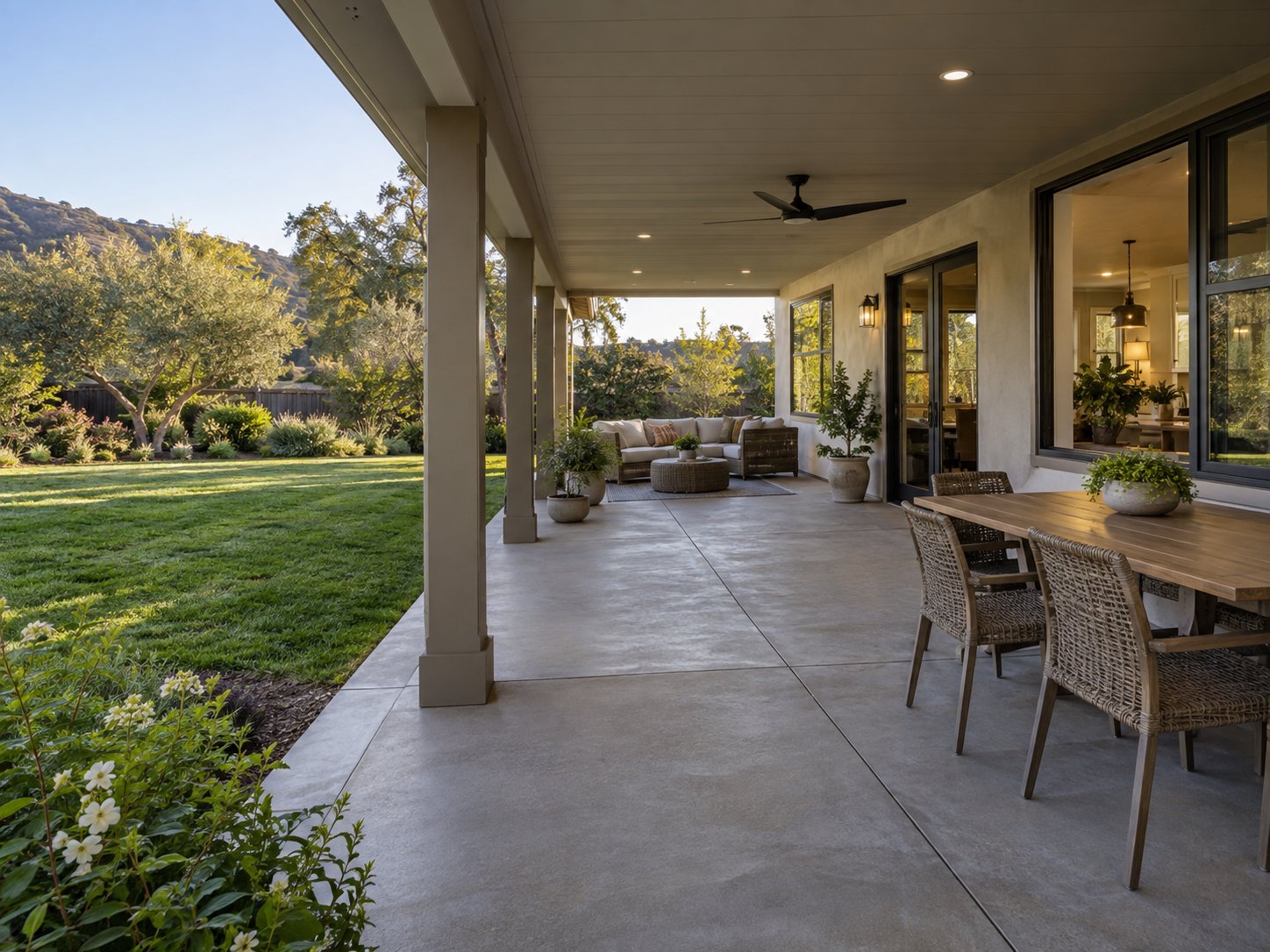
Exterior presentation should demonstrate how an outdoor area functions rather than simply decorating it.
A patio intended for dining should contain enough furniture to establish that use without consuming the entire surface. A larger yard may need fewer objects so buyers can appreciate depth and open area. Pool surroundings, decks, balconies, and covered spaces should reveal circulation and usable dimensions rather than become collections of lounge furniture and accessories.
Different Central Coast properties call for different treatment. A compact coastal terrace may need only two chairs and a small table to establish scale. A Paso Robles property with a broad covered outdoor area may require separate dining and seating zones so buyers understand that both uses fit comfortably.
Exterior areas are part of the home's presentation, not an afterthought.
When outdoor furnishings accurately demonstrate use, buyers can understand how the space extends the property. When furniture overwhelms the area, buyers are left evaluating objects instead of land, privacy, orientation, and usable space.
Different Property Types Need Different Presentation Decisions
Presentation should respond to the property rather than follow a universal checklist.
A smaller coastal home may need less furniture so buyers can see precious floor area. A large North County residence may need strategic furnishings in expansive rooms to prevent scale from becoming difficult to judge. A historic San Luis Obispo property may be better served by emphasizing proportions, original details, and natural transitions than by introducing décor that attempts to modernize the architecture visually.
Vacant homes create another set of decisions because some rooms can become difficult to size without furniture. Occupied homes require editing around everyday life. Luxury properties may need stronger visual restraint because buyers are already evaluating architecture, finishes, privacy, and setting at a higher level of detail.
With 30+ years of experience representing Central Coast buyers and sellers, Joesef Jackson has seen presentation work best when it responds to the home's actual strengths. The property should determine the presentation strategy—not the current staging trend.
Good Presentation Lets the Property Carry the Argument
Effective presentation does not need to convince buyers that a home is something it is not. Its job is to remove visual interference and make the property's real qualities easier to experience.
That means choosing furniture according to room scale, keeping circulation visible, using lighting consistently, giving each important space an understandable purpose, presenting outdoor areas according to genuine use, and maintaining reasonable continuity between listing photography and actual showings.
For San Luis Obispo County sellers, the details will differ from one property to another. A compact coastal home, an older city residence, a South County property, and a larger inland home should not look as though they were prepared from the same template.
The strongest presentation feels deliberate without feeling manufactured. Buyers can recognize the rooms, understand how they connect, experience the features that matter, and imagine the property without being asked to look past either excessive décor or unnecessary emptiness. When that happens, the home itself—not the staging—remains the reason buyers remember it.
Frequently Asked Questions
Does every home need professional staging before it is listed?
No. Some homes benefit from full staging, while others need only furniture editing, decluttering, better placement, lighting adjustments, or selective staging in important rooms.
How much furniture should remain in an occupied home?
Enough furniture should remain to establish scale and room purpose without restricting circulation or hiding usable floor area, windows, architectural details, or important features.
Is an empty home harder for buyers to understand?
It can be. Certain vacant rooms are difficult to scale mentally, particularly large spaces or rooms with an unusual shape. Strategic furniture can establish proportions and likely use.
Should sellers remove all personal items before showings?
Not necessarily. The objective is to reduce objects that dominate the buyer's attention while retaining enough normal residential character that the property still feels like a home.
What lighting is best when presenting a home?
Use available natural light where it benefits the room and maintain consistent interior lighting so dark areas or mixed light temperatures do not create distracting visual breaks.
Should outdoor spaces be staged like interior rooms?
Outdoor areas should demonstrate realistic use, but furnishings should remain proportional to the space. Buyers should still be able to understand patio dimensions, circulation, yard depth, privacy, and access.
Can too much staging make a home harder to sell?
Excessive furniture or decoration can make rooms feel smaller, conceal property features, and shift buyer attention toward the staging rather than the home itself.
Should the home look exactly like the listing photos at every showing?
It does not need to be identical, but the major furniture layout, room functions, circulation, and overall presentation should remain consistent enough that buyers recognize the property they saw online.
If you are preparing to buy or sell real estate on the Central Coast and want personalized guidance, contact Joesef Jackson at SLO Life Realty Group.