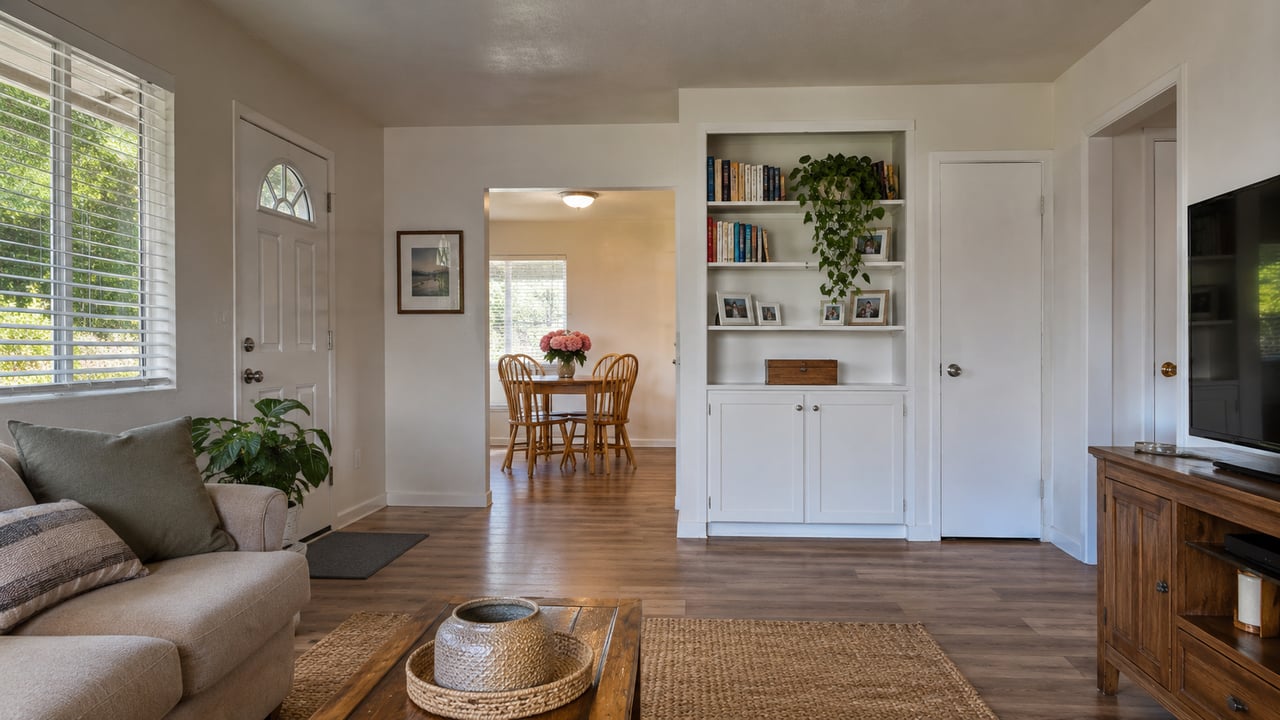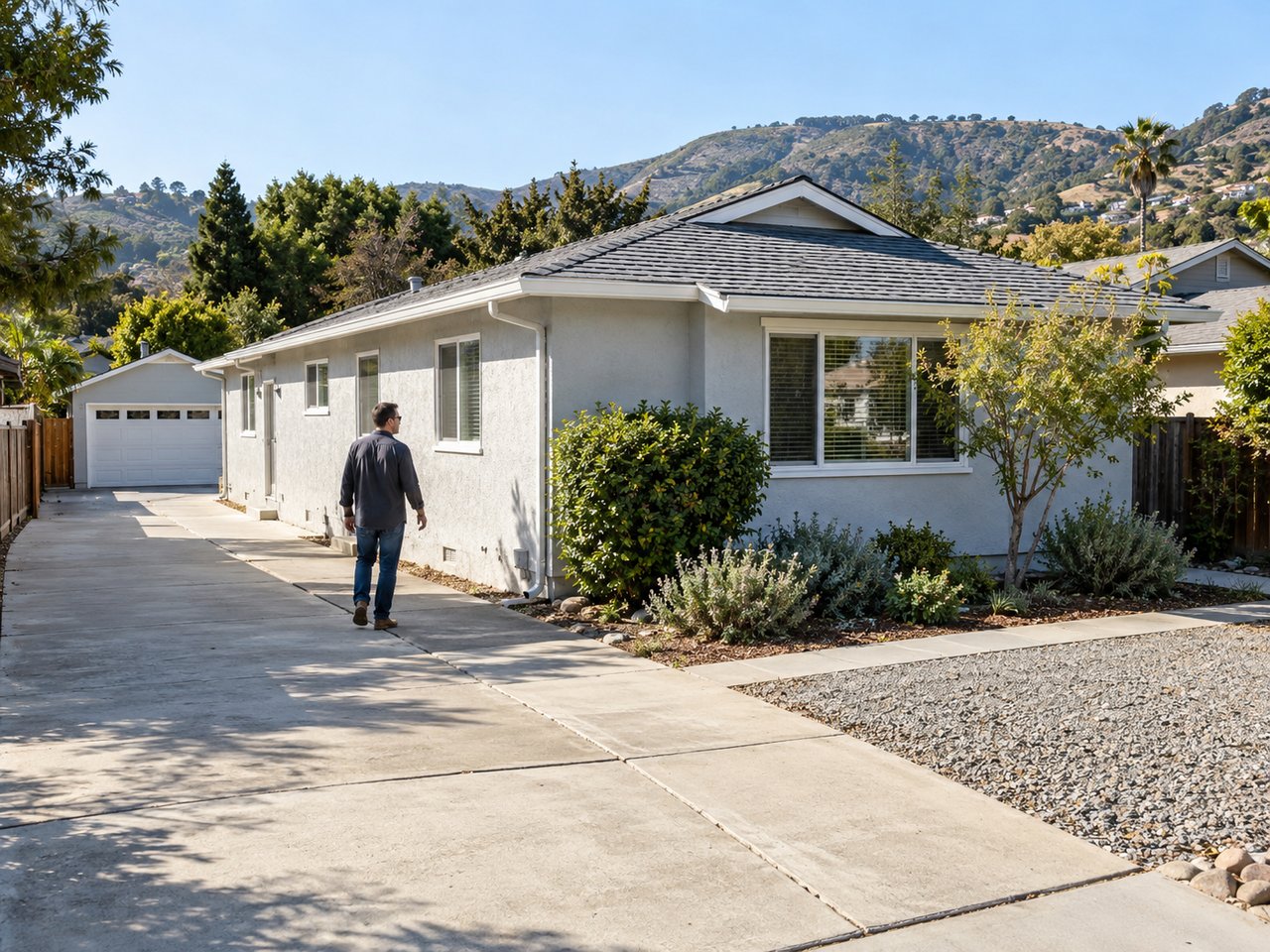
A property is easier to hold when the investor can continue owning it through ordinary market changes without being forced into a sale by excessive carrying costs, unpredictable operating demands, weak tenant appeal, or limited exit options. The strongest long-term holdings are not always the properties with the highest projected return on day one. They are the properties whose expenses, financing, maintenance, leasing, and resale characteristics remain manageable when conditions are less favorable.
That distinction matters throughout San Luis Obispo County because holding conditions vary by property type and location. A small San Luis Obispo rental may benefit from a broad tenant pool but carry a higher acquisition cost, while a Paso Robles or Atascadero property may provide more space but create additional landscape, septic, well, or exterior maintenance considerations. A coastal property in Morro Bay or Grover Beach may have different insurance, exposure, parking, or tenant-demand considerations than an inland property.
Investors should therefore evaluate holdability as a combination of financial resilience and property resilience. The key questions are whether the property can absorb normal expense increases, remain rentable without constant repositioning, avoid outsized capital demands, retain financing flexibility, and preserve more than one reasonable exit path. A property becomes easier to hold when no single weakness has the power to dictate the owner's timing.
Central Coast Neighborhood Video Tour ⬇️
Carrying Costs Must Leave Room for Normal Change
👉 How to Evaluate Holding Costs on the Central Coast
A property is easier to hold when its recurring costs remain manageable even if income does not rise exactly as projected. Mortgage payments, property taxes, insurance, utilities paid by the owner, HOA dues, landscaping, management, and routine service costs all compete with rental income and owner reserves. The tighter that margin becomes, the more vulnerable the investor is to an unexpected vacancy, repair, or market slowdown.
California property taxes also need to be modeled from the investor's actual acquisition basis rather than the seller's current tax bill. The California State Board of Equalization explains how a change in ownership can trigger reassessment, which can materially change the carrying-cost calculation after purchase.
An easier hold does not require unusually low expenses. It requires expenses that are understandable, supportable, and proportionate to the property's income potential. Investors should stress-test the property with higher insurance, taxes, maintenance, and vacancy assumptions before deciding that the current spread is adequate.
Lower Risk Comes From Fewer Ways to Be Forced Into a Decision
👉 What Makes a Property Low Risk on the Central Coast
A lower-risk property is easier to hold because fewer variables can force the owner to sell at an inconvenient time. Risk may come from a narrow tenant pool, unusually high debt service, specialized improvements, large deferred maintenance items, difficult access, regulatory exposure, or a property type with limited resale demand.
The important question is not whether risk can be eliminated. It cannot. The useful question is whether several moderate risks are being stacked on top of one another. A property with high leverage, aging systems, a narrow tenant base, and limited reserves may perform well in favorable conditions yet become difficult to retain when even one assumption changes.
In San Luis Obispo County, investors should evaluate risk at the property level rather than rely on broad market reputation. A simple duplex in Grover Beach may create a different risk profile from a rural North County property with acreage, private systems, and specialized outbuildings. Easier holds typically have fewer interdependent problems.
Cash Flow Matters Most When It Preserves Flexibility
👉 How Investors Should Compare Cash Flow and Flexibility in San Luis Obispo County
Cash flow is useful because it creates room to respond. A property that consistently produces enough operating margin to fund reserves, absorb modest expense increases, and cover turnover costs gives the owner more choices when conditions change. That flexibility may matter more than a slightly higher projected return that depends on perfect occupancy or aggressive rent growth.
Investors should distinguish between nominal cash flow and durable cash flow. The IRS identifies expenses such as depreciation, repairs, and operating costs as part of rental-property accounting, but tax treatment does not replace the need to understand actual cash leaving the property. A tax deduction can reduce taxable income while the owner still has to fund the expense.
An easier-to-hold property therefore has enough margin to support real ownership demands. If every dollar of projected income is already committed, the investor may have very little flexibility when a tenant leaves, an insurance premium rises, or a major component needs attention.
Economic Changes Should Not Break the Investment Thesis
👉 How Economic Trends Affect Investment Properties on the Central Coast
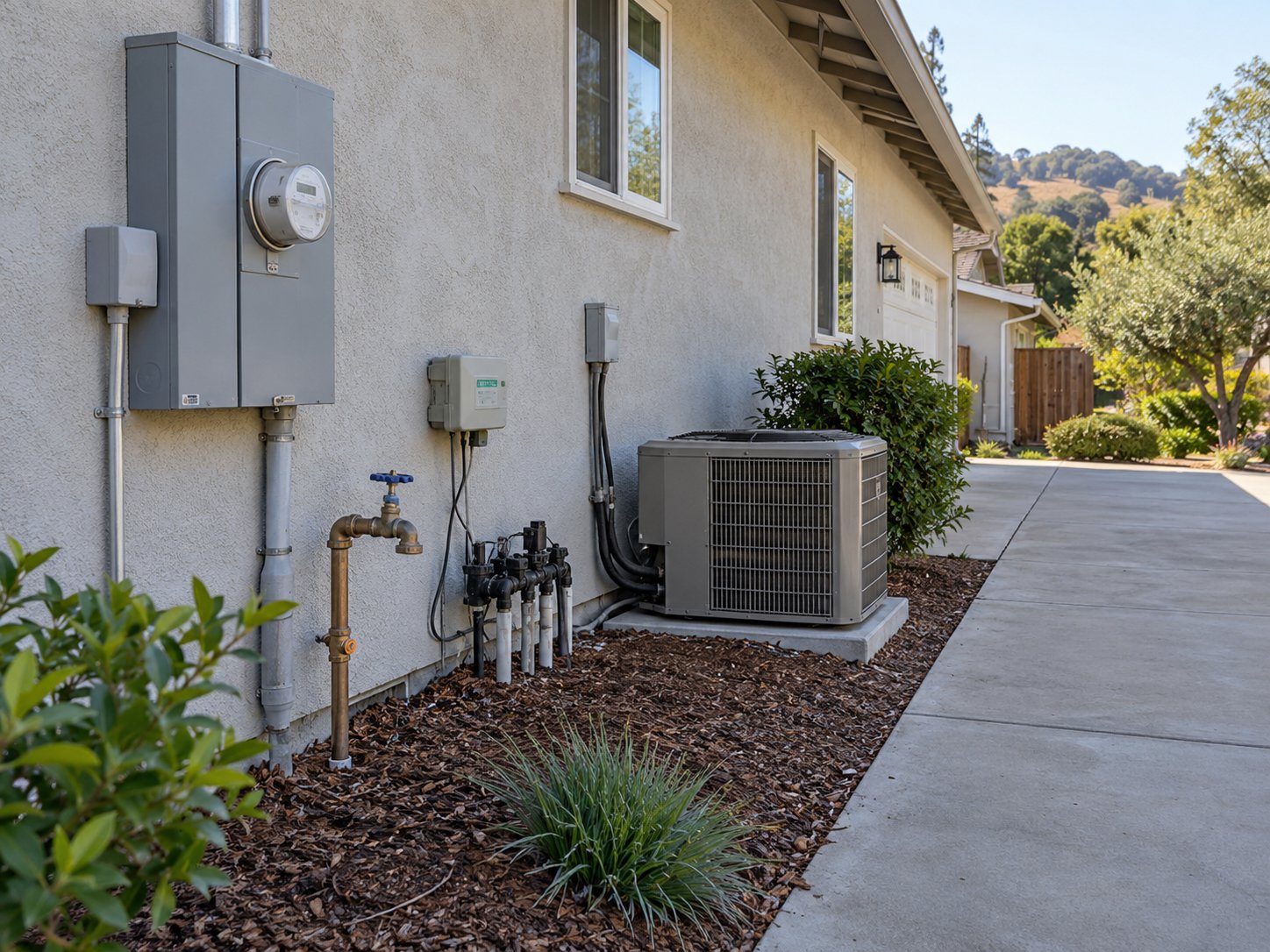
An easier hold does not depend on one economic condition remaining favorable indefinitely. Interest rates, employment patterns, insurance costs, construction activity, household budgets, and rental competition can all change during a long holding period. The property should still make sense when one or more of those conditions become less supportive.
This is where investors should separate a strong property from a strong moment. A property acquired during a period of unusually rapid rent growth may look excellent if that growth is projected forward indefinitely. A more durable analysis asks whether the investment can still function if rent growth slows, vacancy increases modestly, or refinancing becomes less attractive.
A San Luis Obispo property supported by several renter groups may react differently from a specialized vacation-oriented unit in a coastal community. An Atascadero property with a broader household use case may react differently from a highly customized estate. Holdability improves when the investment thesis survives reasonable changes in the surrounding economy.
Liquidity Matters Before an Investor Needs It
👉 What Investors Should Know About Property Liquidity in San Luis Obispo County
A property is easier to hold when the owner is not trapped by a narrow resale market. Liquidity does not mean the property can be sold instantly. It means there is a reasonably broad pool of future buyers who can understand, finance, and use the property without requiring unusual circumstances.
Properties with conventional layouts, practical access, understandable improvements, and broad residential utility often preserve more options. By contrast, highly specialized properties may perform well for the right owner but can become harder to reposition if that buyer pool contracts.
This matters in places such as Paso Robles, where acreage or specialty improvements may add value for some buyers but narrow the audience for others. In Pismo Beach, a smaller property with good parking and straightforward access may have broader utility than a more unusual configuration at the same price. Holdability improves when the investor knows the property has recognizable value beyond a single investment strategy.
Exit Options Should Be Built Into the Original Purchase
👉 How Investors Should Evaluate Exit Options on the Central Coast
An easier hold gives the investor more than one reasonable way to leave the investment later. The property might remain a long-term rental, be sold to another investor, appeal to an owner-occupant, or support a different use that is legally and physically practical. The more credible those paths are, the less pressure the owner faces if the original plan changes.
Exit flexibility begins at acquisition. Investors should ask who would buy the property if they needed to sell in five or ten years and whether that buyer pool would be limited by unusual financing, condition, tenancy, layout, or property complexity.
This is especially important when buying a home in San Luis Obispo County with investment intent. A property that works only under one narrow assumption can become difficult to hold when that assumption weakens. A property with several credible exit paths gives the owner more control over timing.
Operating Simplicity Reduces the Number of Small Problems
A property can be profitable and still become exhausting to own. Operating complexity matters because every additional system, service requirement, shared responsibility, access issue, or specialized feature creates another point that may demand time, money, coordination, or expertise.
A small residential property with straightforward utilities, accessible equipment, durable exterior materials, and simple landscaping may be easier to retain than a property with several structures, extensive grounds, multiple private systems, and specialty improvements. That does not mean complex properties are poor investments. It means their income and reserves should compensate for the additional management burden.
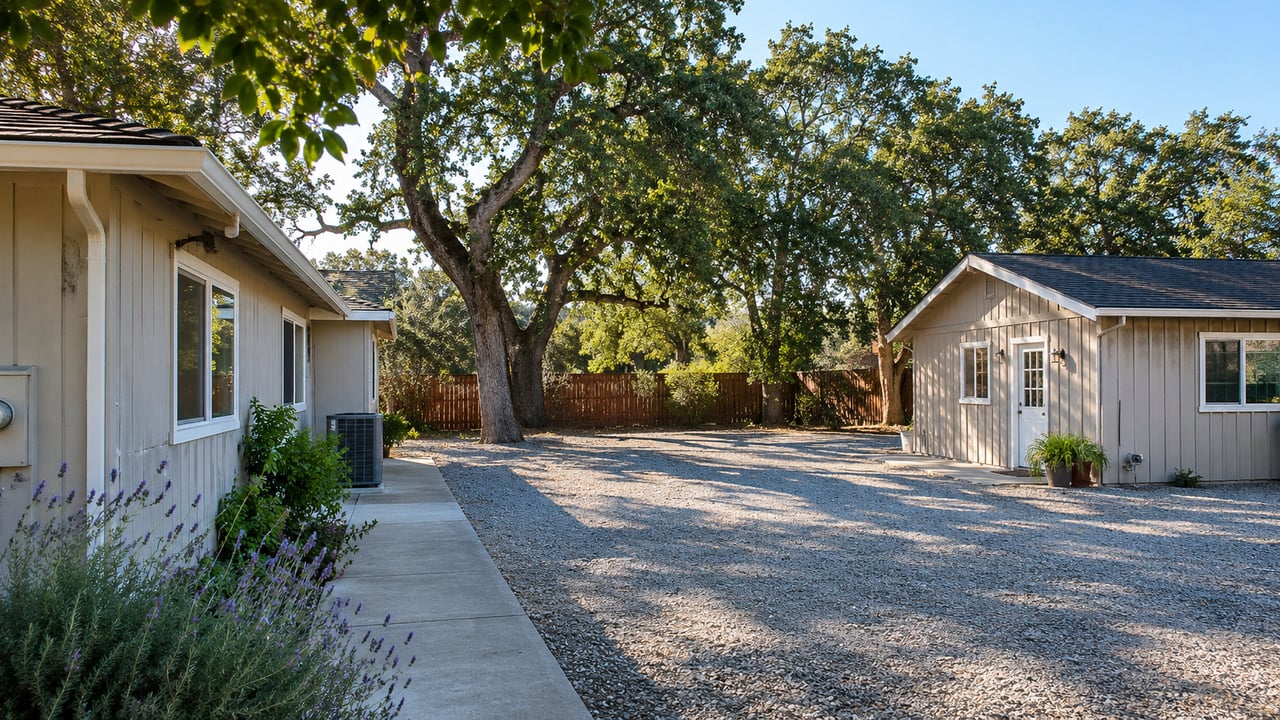
In Nipomo or rural Templeton, for example, wells, septic systems, larger parcels, or accessory structures may be completely appropriate for the property. The investor should simply understand the management structure those features create. Holdability improves when the owner can anticipate the work rather than continually discover it.
Capital Expenses Should Be Predictable Enough to Reserve For
Long-term ownership becomes harder when several major components are likely to require replacement within the same period. Roofs, HVAC systems, exterior surfaces, paving, drainage, plumbing, windows, and other major components may not affect current rent, but they can materially affect the owner's ability to retain the property.
The useful question is not whether the property needs any future work. Every property does. The question is whether future capital demands can be estimated and funded without destabilizing the investment.
An investor considering an older San Luis Obispo property may accept more near-term capital work because the location and tenant demand justify it. A newer Arroyo Grande property may have lower immediate replacement risk but a higher acquisition basis. Neither is automatically easier to hold. The better hold is the one whose likely capital schedule fits the investor's reserves, income, and expected ownership period.
Broad Tenant Appeal Can Protect the Holding Period
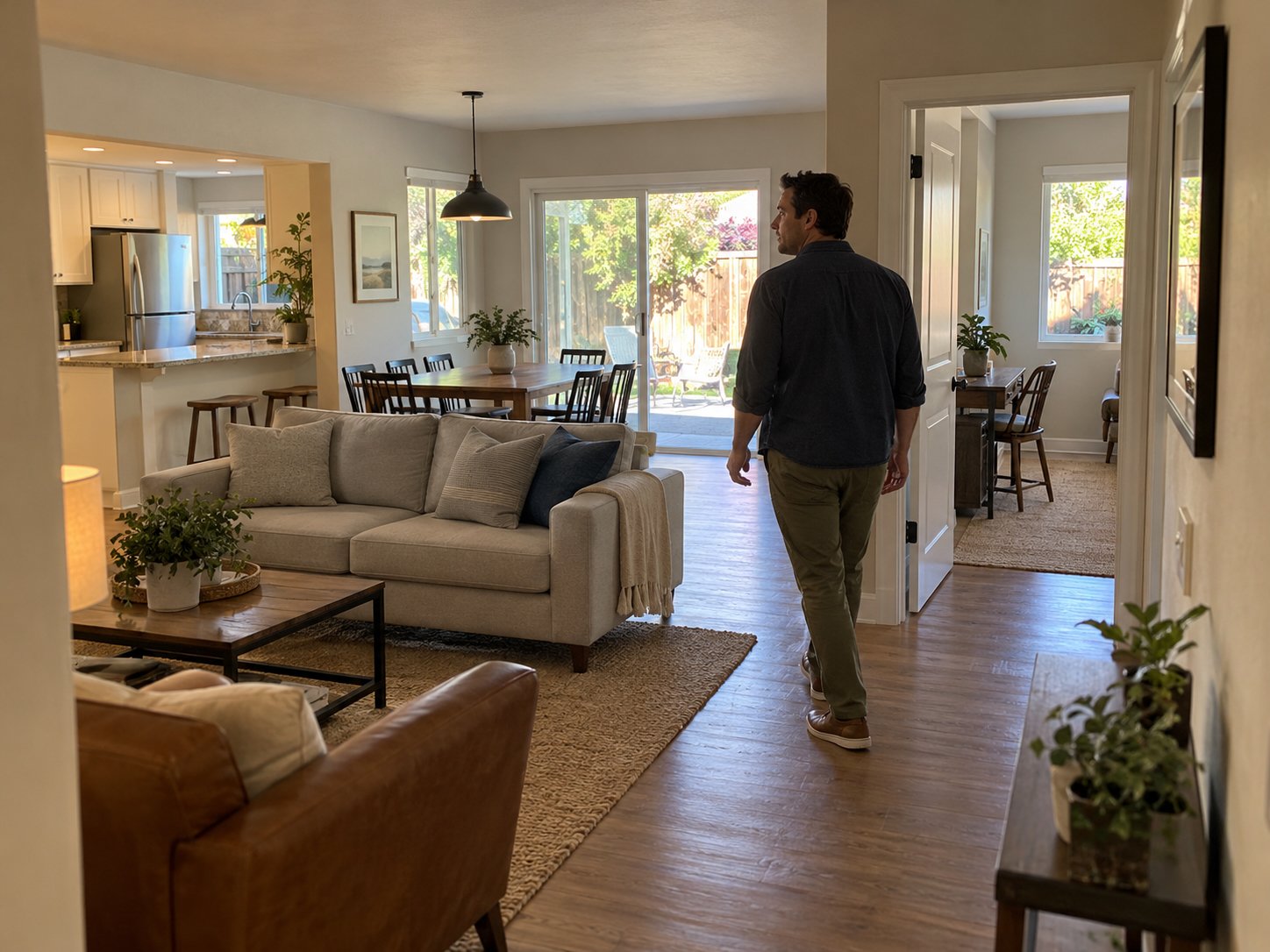
A rental property is easier to hold when it can attract more than one narrow tenant profile. Broad appeal does not mean the property must suit every renter. It means the bedroom count, parking, layout, condition, location, and price point make sense to enough households that normal turnover does not become a recurring crisis.
A two-bedroom property near San Luis Obispo employment centers may appeal to several household types. A three-bedroom home in Arroyo Grande or Nipomo may draw a different but still broad pool. By contrast, a highly specialized configuration may perform well when the right tenant is present and struggle when that tenant leaves.
The investor should evaluate how many realistic tenant profiles can use the property comfortably and whether competing rentals offer materially better alternatives. Stable occupancy reduces pressure on reserves and debt service, which directly improves holdability.
Financing Structure Can Make a Good Property Hard to Hold
A sound property can become difficult to retain if the financing leaves too little room for change. High leverage, short reset periods, unfavorable loan terms, or debt service that consumes most of the property's income can reduce the owner's ability to absorb normal operating variation.
Investors should evaluate the loan and the property together. A lower-priced property with expensive debt may create more pressure than a higher-priced property with stronger financing and reserves. Refinancing should be treated as a possible future option, not as the only way the investment works.
This is particularly important when an investor plans a long hold. Interest-rate conditions can change materially over several years, and the property should remain workable even if a refinance is delayed or less attractive than expected. The easiest holds are not necessarily the least leveraged; they are the ones where debt structure does not dictate every future decision.
Reserve Capacity Is Part of Property Selection
Reserves are not separate from the investment decision. They are part of what makes a property retainable. The amount of reserve capacity required depends on the property's age, systems, tenant profile, income variability, insurance exposure, and maintenance complexity.
A simple condominium may require fewer direct exterior reserves but expose the owner to HOA assessments or dues increases. A detached property may give the owner more control while requiring direct responsibility for roof, drainage, exterior surfaces, landscaping, and other systems. A rural property may require an even broader reserve plan.
With more than 30 years of San Luis Obispo County real estate experience and 2,130+ closed transactions, Joesef Jackson has seen that ownership pressure often comes from several moderate costs arriving together rather than one dramatic event. Investors should choose properties that leave room to build and replenish reserves without undermining the entire return.
The Easier Hold Preserves Investor Choice
The easiest property to hold is the one that preserves the investor's ability to choose rather than react. Manageable carrying costs, durable demand, understandable capital needs, operational simplicity, reasonable financing, and multiple exit paths all reduce the chance that one change will dictate the owner's timing.
That principle applies across San Luis Obispo County even though the details vary by community. A compact San Luis Obispo rental, a Grover Beach duplex, a Nipomo single-family property, and a Paso Robles home with land can all be viable long-term holdings, but each creates a different mix of costs, management demands, tenant exposure, and resale options.
Investors should therefore evaluate holdability before focusing on maximum upside. A property that can remain financially and operationally manageable through ordinary changes may give the owner more time to benefit from income, appreciation, debt reduction, or future repositioning. Long-term value is easier to realize when the property does not force the investor to act before the investor is ready.
Frequently Asked Questions
What does it mean for an investment property to be easy to hold?
An easier-to-hold property can remain financially and operationally manageable through ordinary vacancies, expense increases, repairs, financing changes, and market shifts without forcing the owner into an unwanted sale.
Is positive cash flow enough to make a property easy to hold?
No. Positive cash flow matters, but investors should also evaluate reserves, major future expenses, debt structure, tenant appeal, operating complexity, and the property's future resale options.
Why do exit options matter if an investor plans to hold long term?
Plans can change. Multiple credible exit paths reduce the risk that the investor becomes dependent on one buyer type, one rental strategy, or one market condition when it is eventually time to sell.
Does a simpler property always make a better investment?
No. A more complex property can still be a strong investment when its income and potential justify the additional management and capital requirements. The issue is whether those demands are understood and adequately supported.
How much do future repairs affect holdability?
Potential capital expenses can materially affect holdability when several major systems may need replacement during the same ownership period. Investors should estimate those costs and determine whether reserves can absorb them.
Can a property with strong appreciation potential still be difficult to hold?
Yes. Appreciation potential does not pay current operating bills. A property can increase in value over time while still creating financial pressure through weak cash flow, high expenses, vacancy, or major capital needs.
Does tenant demand affect whether a property is easy to hold?
Yes. Broad, repeatable tenant appeal can reduce vacancy pressure and make income more durable. Properties dependent on a very narrow renter profile may be more vulnerable during turnover.
What should investors compare before choosing between two long-term holdings?
Investors should compare carrying costs, financing, reserve requirements, tenant demand, property complexity, capital-expense exposure, resale liquidity, and the number of realistic exit options rather than relying on projected return alone.
If you are preparing to buy or sell real estate on the Central Coast and want personalized guidance, contact Joesef Jackson at SLO Life Realty Group.