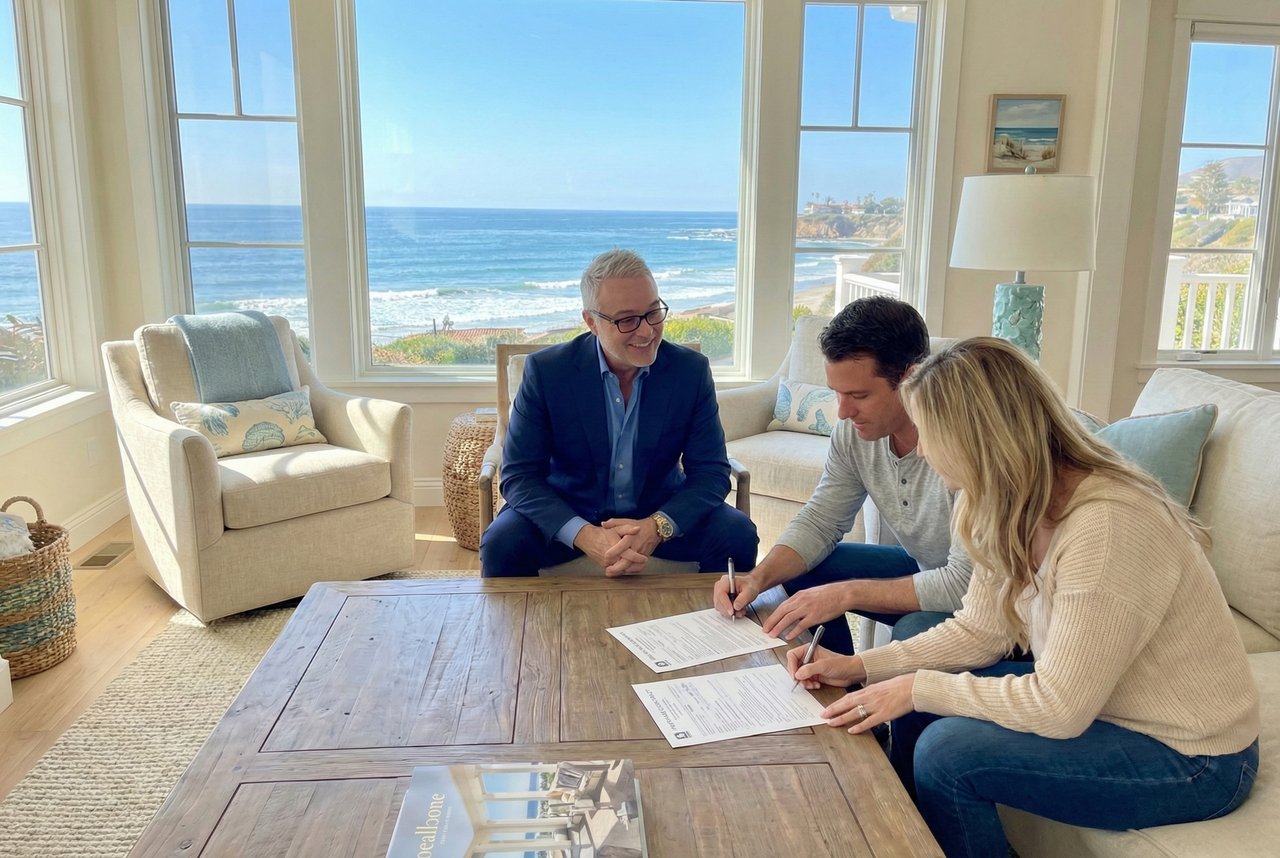
Waiving contingencies is one of the most aggressive strategies a buyer can use when competing for a home on the Central Coast. In San Luis Obispo County, where competitive markets can create multiple-offer situations, removing contingencies may strengthen an offer—but it also introduces significant risk. Understanding exactly what happens when contingencies are waived is critical before making that decision.
In many Central Coast transactions, what often stands out is that buyers who waive contingencies without fully understanding the implications can expose themselves to financial and contractual consequences that are difficult to reverse.
What It Means to Waive Contingencies
When you waive contingencies, you are agreeing to move forward with the purchase without certain protections. Common contingencies include inspection, appraisal, and financing.
👉 What Does Escrow Mean in California Real Estate? (Central Coast Buyer Explanation)
👉 Home Inspections on the Central Coast: What Buyers Should Expect
Removing these protections means you are accepting the property and transaction terms as-is, even if issues arise later in the process.
Why Buyers Consider Waiving Contingencies
In competitive Central Coast markets, buyers sometimes waive contingencies to make their offer more attractive to sellers. A cleaner offer with fewer conditions often signals certainty and speed.
👉 How to Write a Winning Offer on the Central Coast
However, this strategy should be used carefully. While it may improve your chances of getting the property, it shifts more risk onto you as the buyer.
The Financial Risks Involved

Waiving contingencies can create direct financial exposure. If issues arise after the offer is accepted—such as property defects or appraisal gaps—you may be responsible for covering those costs.
👉 What Happens If a Home Appraisal Comes in Low on the Central Coast?
Without contingencies, backing out of a deal can result in losing your deposit, which is often a significant amount.
Inspection Risks Buyers Should Understand
One of the biggest risks of waiving contingencies is skipping or limiting inspections. Inspections uncover issues that may not be visible during a showing.
👉 What Buyers Look for Most in Central Coast Homes Right Now
Without an inspection contingency, buyers lose the ability to renegotiate or request repairs based on findings.
Appraisal and Financing Implications
If you waive the appraisal contingency and the home appraises below the purchase price, you may need to cover the difference out of pocket.
👉 What Cap Rate Means for Central Coast Investment Properties
This can significantly impact your financial plan and overall investment.
Legal and Contractual Consequences

Contingencies are part of the legal framework of a real estate contract. Removing them changes your rights and obligations within the transaction.
The California Association of REALTORS® outlines how contingency removal affects contractual obligations and buyer protections.
Understanding these legal implications is essential before making any decision.
When Waiving Contingencies Might Make Sense
In some cases, waiving contingencies may be appropriate. For example, buyers with strong financial reserves and experience may feel comfortable assuming additional risk.
However, this decision should always be based on a clear understanding of the trade-offs involved.
How to Reduce Risk Without Fully Waiving
Buyers do not always need to fully waive contingencies to remain competitive. Alternative strategies include:
- Shortening contingency timelines
- Conducting pre-inspections
- Strengthening financial qualifications
The Consumer Financial Protection Bureau provides guidance on buyer protections and financial readiness in real estate transactions.
These approaches allow buyers to stay competitive while maintaining some level of protection.
FAQ
Is waiving contingencies common on the Central Coast?
It can happen in highly competitive markets, but it is not always necessary.
Can you back out after waiving contingencies?
Yes, but you may lose your deposit and face financial consequences.
Should first-time buyers waive contingencies?
Generally, no. It is a higher-risk strategy that requires careful consideration.
If you’re preparing to buy and want guidance on whether waiving contingencies makes sense for your situation on the Central Coast, contact me.
Internal Linking Note
Some plain-text references in this article will become live internal links as additional Central Coast real estate guides are published.