A home fits long term when its location, layout, ownership costs, maintenance demands, and future flexibility continue to make sense beyond the first few years. Buyers should consider not only whether they like the property today, but also whether it can support likely changes in work, family, mobility, finances, and lifestyle.
Long-term fit does not require predicting every future event. It requires examining which parts of the property can be changed and which cannot. Interior finishes can be updated. A room may be repurposed. Location, lot configuration, neighborhood access, major structural limitations, and many ownership obligations are much harder to alter.
This distinction matters throughout San Luis Obispo County. A downtown San Luis Obispo home may offer convenience and walkability but limited expansion potential. A coastal residence in Pismo Beach may provide a preferred lifestyle while requiring additional exterior maintenance. A larger property near Paso Robles may offer privacy and flexibility but introduce land, well, septic, and vegetation-management responsibilities.
The right long-term home is rarely the property with the longest feature list. It is the one whose permanent qualities support the buyer’s priorities and whose limitations remain acceptable as circumstances change.
Central Coast Neighborhood Video Tour ⬇️
Decide How the Property Will Be Used
The first question is whether the home will function as a primary residence, second home, part-time retreat, or property that may serve more than one purpose over time. Each use creates different priorities.
A primary residence must support daily routines. Commute, parking, storage, neighborhood access, schools, medical services, shopping, and room functionality often matter more when the property is occupied throughout the year.
A second home may place greater emphasis on location, recreation, ease of maintenance, security, and the ability to leave the property unattended. Buyers may also need to consider whether the home will eventually become a primary residence and whether it can support that transition.
👉 Primary Residence vs Second Home on the Central Coast: Key Differences Buyers Should Know
A coastal condominium in Pismo Beach may work well as a part-time residence because exterior responsibilities are shared through an association. The same property may feel restrictive as a full-time home if storage, parking, guest space, or association rules do not support the buyer’s daily needs.
A larger residence in Arroyo Grande may provide greater flexibility for full-time living, guests, work, and future family changes. It may also require more upkeep and a larger monthly operating budget.
After more than 30 years in real estate, Joesef Jackson has found that buyers make stronger long-term comparisons when they define how the property will be used before focusing on finishes or decorative appeal. Use determines which features are essential and which are simply attractive.
Measure the Maintenance Commitment Honestly
Every property requires maintenance, but the amount, complexity, and cost vary considerably. Buyers should evaluate whether they are prepared to manage the home not only financially, but also in terms of time and attention.
👉 Property Maintenance on the Central Coast: What Homeowners Should Plan For
A conventional home in San Luis Obispo may involve roofing, exterior paint, drainage, landscaping, appliances, plumbing, and heating systems. A coastal property in Morro Bay or Cayucos may require additional attention to windows, exterior finishes, metal components, moisture exposure, and wind-driven wear.
A rural or acreage property near Templeton or Paso Robles may introduce wells, septic systems, fencing, private roads, pumps, outbuildings, tree care, fire access, and vegetation management. Those features may be central to the appeal of the property, but they are also part of the ownership commitment.
Maintenance should be viewed as a long-term operating responsibility rather than an occasional inconvenience. Buyers should consider whether they want to perform some tasks themselves, coordinate vendors, or budget for professional services.
With more than 2,130 career transactions, Joesef has observed that buyers sometimes underestimate the difference between admiring a property and maintaining it. A large yard, pool, vineyard, guest structure, or extensive exterior may be worthwhile when it supports the intended lifestyle. It can become burdensome when the buyer values the appearance more than the responsibility.
The California Department of Real Estate publishes consumer information about California real estate transactions, disclosures, ownership considerations, and working with licensed professionals.
Review Association Rules as Long-Term Ownership Terms

A homeowners association can provide shared maintenance, community standards, amenities, and organized management. It can also impose rules, costs, and approval requirements that remain in place long after the purchase.
👉 HOA Rules on the Central Coast: What Buyers Should Know Before Purchasing
Buyers should review governing documents, financial records, insurance information, meeting minutes, reserve planning, current assessments, and restrictions that affect how the property can be used.
Rules involving pets, parking, exterior changes, rentals, landscaping, noise, guests, and home-based work may have little effect on one buyer and substantial importance to another. The issue is not whether an association is generally desirable. It is whether the particular association supports the buyer’s intended use.
Monthly dues should also be evaluated over time. Buyers should understand what the dues cover, which responsibilities remain with the owner, and whether the association appears financially prepared for major repairs.
A condominium in San Luis Obispo may provide a lower-maintenance lifestyle and convenient location. A planned community in Nipomo may offer amenities and newer infrastructure. Those advantages should be weighed against restrictions, shared decision-making, and the possibility of future increases or special assessments.
Separate Market Conditions From Long-Term Suitability
Current market conditions influence price, competition, negotiating leverage, and inventory. They should not determine whether the property itself fits the buyer’s future.
👉 What Today’s Central Coast Real Estate Market Means for Your Long-Term Plans
A competitive market may require buyers to make decisions efficiently, but urgency should not cause them to ignore permanent limitations. A slower market may provide more negotiating room, but a discount does not make an unsuitable property appropriate for long-term ownership.
Buyers should distinguish between temporary market factors and enduring property characteristics. Interest rates, listing inventory, and buyer competition can change. The home’s location, lot, basic layout, access, neighborhood setting, and major ownership obligations are more persistent.
This is especially important when buyers stretch beyond their initial price range. Paying more may be reasonable when the property offers a scarce location, adaptable layout, strong condition, or features that reduce the likelihood of another move. It becomes harder to justify when the higher price is driven mainly by decorative upgrades or features that do not support the buyer’s long-term needs.
A home should remain financially workable after market conditions change. Buyers cannot assume that future appreciation, refinancing, or rising income will solve a payment or ownership structure that feels strained at the beginning.
Consider How Future Lifestyle Needs May Change
Buyers should evaluate whether the home can adapt to likely changes without requiring a major renovation or premature sale.
👉 How to Think About Future Lifestyle Needs on the Central Coast
A buyer working remotely may need a dedicated office rather than a temporary corner of a bedroom. A household expecting frequent guests may value separation between private and shared spaces. Someone planning for retirement may prioritize fewer stairs, a manageable lot, nearby services, or the potential for ground-floor living.
Future needs may also involve children, older relatives, hobbies, pets, storage, accessibility, or changes in work location. Not every possibility needs to be accommodated, but the property should offer enough flexibility for the buyer’s most realistic scenarios.
A small home near downtown San Luis Obispo may remain an excellent long-term choice for someone who values walkability and intends to maintain a compact lifestyle. A larger home in Atascadero may provide room for family changes, work, and storage but create greater commuting and maintenance demands.
The strongest long-term fit comes from matching the home to the buyer’s probable life rather than an idealized version of it. Buyers should ask whether they would still choose the property if one major circumstance changed.
Understand the Responsibilities of Long-Term Ownership
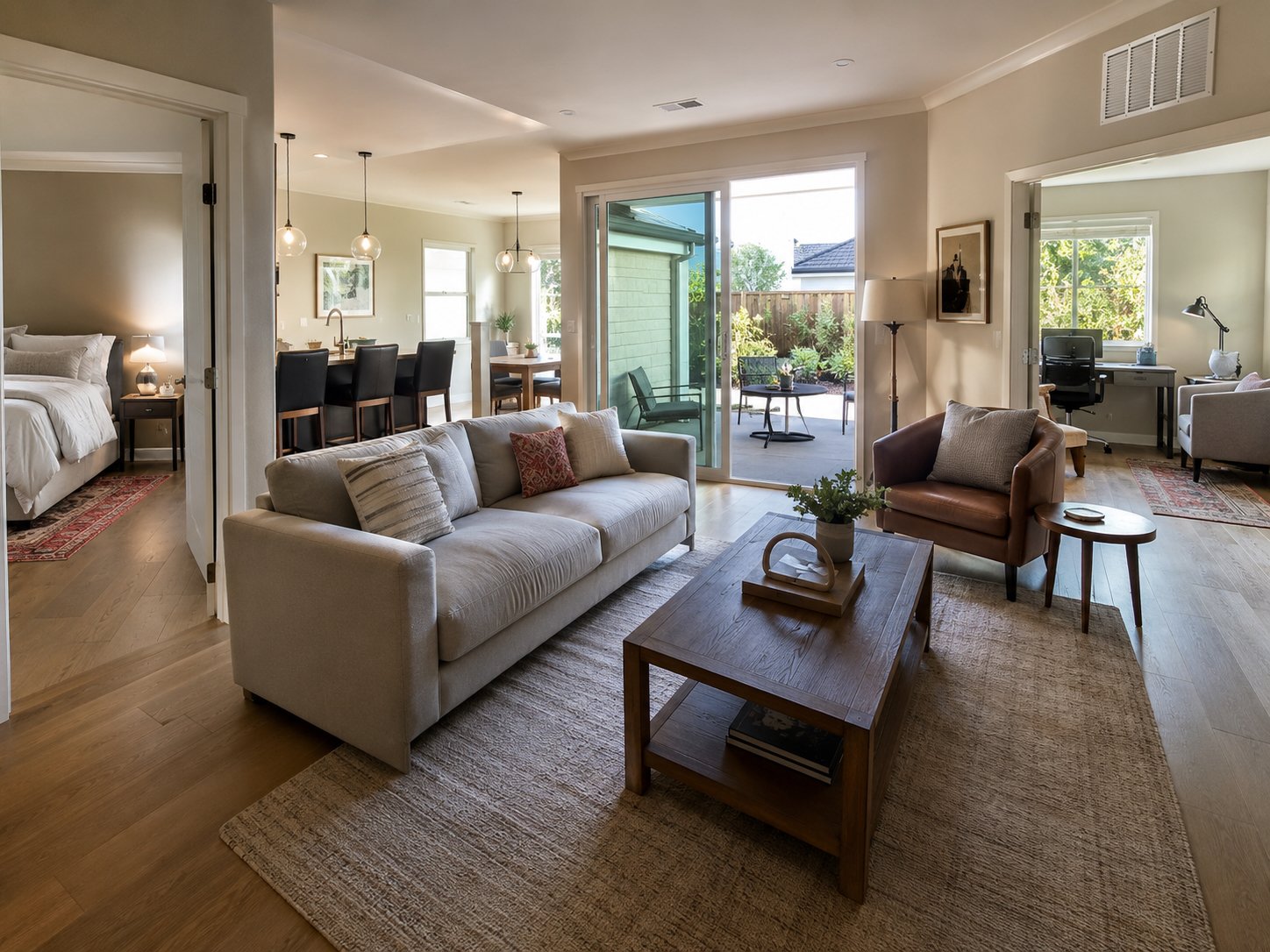
Long-term ownership involves more than remaining in the property for many years. It means carrying the financial, physical, and administrative responsibilities that develop over time.
👉 What Buyers Should Know About Long-Term Ownership on the Central Coast
Roofing, exterior finishes, appliances, mechanical systems, landscaping, and infrastructure will eventually require repair or replacement. Taxes, insurance, utilities, association dues, and service costs may also rise.
Buyers should evaluate whether the home leaves enough room in the budget to absorb those changes. A mortgage payment that feels manageable today may become uncomfortable when combined with insurance increases, maintenance projects, or other household expenses.
Long-term ownership also requires recordkeeping. Permits, improvement receipts, warranties, service histories, association documents, and insurance information can become important during future repairs, refinancing, estate planning, or resale.
Direct representation from the first conversation through closing allows Joesef to keep the buyer’s intended use, budget, inspections, insurance research, and long-term priorities connected throughout the transaction. That continuity matters when new information changes how the property should be evaluated.
The Consumer Financial Protection Bureau provides home-buying resources addressing affordability, loan comparisons, closing costs, and the complete financial responsibilities associated with purchasing a home.
Give Greater Weight to Features That Cannot Be Changed
Buyers should distinguish between permanent property characteristics and elements that can be modified later.
Paint, flooring, lighting, appliances, and many interior finishes can be changed. Room size, lot shape, street setting, natural light, neighborhood access, and structural configuration may be far more difficult or impossible to alter.
This does not mean buyers should ignore condition. Major systems and renovation costs still matter. It means cosmetic appeal should not overshadow the property’s underlying strengths or limitations.
A dated home in an excellent location may offer strong long-term potential when the layout, lot, and structure are sound. A beautifully renovated home may still be a poor fit when parking, access, noise, storage, or room placement conflict with the buyer’s needs.
Natural light is another permanent quality that buyers sometimes underestimate. Window orientation, surrounding structures, tree coverage, and room placement affect how the home feels throughout the day. Lighting fixtures can improve a space, but they cannot fully replace a strong relationship with natural daylight.
The same principle applies to privacy. Landscaping may improve screening, but lot position and neighboring structures establish the basic level of separation.
Evaluate Whether the Layout Can Adapt
A flexible layout allows rooms to serve different purposes as the buyer’s life changes. Buyers should consider whether an office could become a bedroom, whether a guest room could support caregiving, or whether a formal room could be repurposed.
The number of rooms matters less than their usefulness. A large home with highly specialized spaces may be less adaptable than a smaller home with well-proportioned rooms, adequate storage, and logical circulation.
Buyers should also examine whether major living functions exist on one level. This may not matter today, but it can become valuable during an injury, aging, or a change in household needs.
Stairs are not automatically a long-term problem. The question is whether the home provides alternatives if stairs later become inconvenient. A ground-floor bedroom, accessible bathroom, or realistic location for future modifications can expand the property’s usefulness.
Outdoor access should also be considered. Steep lots, multiple elevation changes, and extensive steps can create dramatic views and architectural interest while limiting ease of use for some owners.
Look Beyond Bedroom Count to Functional Space
Bedroom and bathroom counts are useful search criteria, but they do not reveal whether the home has enough functional space.
Storage, laundry placement, garage capacity, pantry space, work areas, and transitions between rooms affect daily life. A buyer may technically have enough bedrooms but still lack a quiet office, equipment storage, or a practical place for guests.
A garage may be especially important in communities where street parking is limited or where buyers have recreational equipment, tools, bicycles, surfboards, or vehicles that need protection.
Outdoor space should also be evaluated according to use. A large yard may provide privacy and flexibility, but a smaller patio may be sufficient for a buyer who prefers lower maintenance and spends time at nearby parks, beaches, or trails.
Functional space should reflect the household’s real possessions and routines. Buyers should avoid assuming that they will permanently change habits simply because a home does not support them.
Study the Location at Different Times
A location can feel different on a quiet weekend morning than during weekday traffic, school drop-off, evening activity, or seasonal tourism.
Buyers should observe access, parking, noise, light, neighboring properties, and traffic patterns at more than one time when possible. They should consider how often they will travel to work, shopping, medical care, recreation, family, and other regular destinations.
In San Luis Obispo, proximity to downtown or Cal Poly may offer convenience but also greater activity. In Pismo Beach or Morro Bay, visitor traffic can vary seasonally. Rural properties may feel peaceful while requiring longer drives for services and daily errands.
Weather also changes by location. Coastal communities may be cooler and more exposed to moisture, while inland areas such as Atascadero, Templeton, and Paso Robles generally experience warmer summers.
The issue is not whether one location is superior. It is whether its daily advantages outweigh the inconveniences for the specific buyer.
Review Insurance and Property-Specific Risks Early
Insurance availability and cost can materially affect long-term ownership. Buyers should investigate coverage before becoming fully committed to a property.
Coastal exposure, wildfire risk, property age, roof condition, electrical systems, claims history, and specialized features may influence underwriting. Rural properties may require additional review of access, vegetation, water sources, and outbuildings.
Buyers should also examine natural hazard disclosures, drainage, flood considerations, slope conditions, soil issues, and any property-specific concerns identified during inspections or document review.
A property can remain a strong choice when these risks are understood and reflected in the budget. The problem arises when buyers assume that coverage, repairs, or ongoing management will be simple without obtaining property-specific information.
Long-term fit requires knowing not only what the home offers, but also what it will require.
Compare the Cost of Staying With the Cost of Moving Again
A home that works for only a short period may create significant future transaction costs. Selling and purchasing again involves commissions, closing expenses, moving, repairs, financing, and the time required to complete both transactions.
This does not mean buyers must purchase more home than they currently need. It means they should consider whether a slightly different property could extend the useful ownership period without creating excessive financial pressure today.
A flexible extra room, better location, more functional lot, or manageable expansion potential may support longer ownership. Conversely, paying substantially more for unused space can weaken the budget and create higher maintenance costs.
The right balance depends on how likely the buyer’s needs are to change and how easily the property can accommodate them.
A lower purchase price is not always the least expensive long-term choice. A higher-priced home is not automatically better merely because it offers more space. Buyers should compare the complete cost and usefulness of each option over the period they expect to own it.
Consider Resale Without Letting It Control the Purchase
Even buyers planning long-term ownership should consider how future purchasers may evaluate the property. Circumstances change, and a home may need to be sold earlier than expected.
Broadly useful qualities such as functional layout, parking, natural light, reasonable access, usable outdoor space, and a desirable location tend to remain relevant. Highly specific improvements may be valuable to the current buyer without appealing equally to the next one.
Resale should not prevent buyers from choosing a distinctive property they genuinely value. It should simply be part of the analysis.
A unique home in Cambria, a vineyard residence near Paso Robles, or an architectural property in San Luis Obispo may attract a narrower audience. That may be acceptable when the buyer understands the property’s specialized nature and expects to own it for an extended period.
The goal is not to choose a generic home. It is to recognize how the property’s strengths and limitations may be viewed later.
Use Inspections to Test the Long-Term Plan
Inspections reveal more than immediate repair items. They provide information about the property’s likely maintenance path and future capital expenses.
Buyers should distinguish among current defects, routine maintenance, aging systems, and major projects that may arise during ownership. A roof with limited remaining life creates a different long-term obligation than a cosmetic issue.
Specialized properties may require additional evaluations involving septic systems, wells, pools, drainage, foundations, retaining walls, chimneys, vineyards, or other features.
The question is not whether the property has imperfections. Most homes do. The question is whether the buyer understands the likely work and remains comfortable with the responsibility.
Inspection information should be connected to the buyer’s reserve funds, renovation plans, and expected ownership period. A project may be manageable when planned over several years but unrealistic when it must be completed immediately after closing.
Revisit the Long-Term Fit Before Removing Contingencies
A buyer’s understanding of the property changes during escrow. Loan terms, insurance estimates, inspections, disclosures, association documents, title information, and utility research may reveal obligations that were not apparent during the first showing.
Before removing major contingencies, buyers should reconsider whether the property still fits the standards established at the beginning of the search.
They should ask whether the monthly cost remains workable, whether the maintenance demands are acceptable, and whether new information has altered the value of the home’s advantages.
A buyer may still decide that the property is the right choice despite repairs or future projects. The decision should be based on the updated facts rather than the emotional impression formed before those facts were available.
Long-term fit is not confirmed by finding a perfect property. It is confirmed when the buyer understands the home’s permanent qualities, future responsibilities, and limitations and still sees it supporting the life they expect to live.
Frequently Asked Questions
How many years should a buyer plan to remain in a home?
There is no universal minimum. Buyers should consider transaction costs, market conditions, financing, personal plans, and whether the property can support their likely needs for a meaningful period.
What features matter most for long-term ownership?
Location, functional layout, ownership cost, maintenance demands, adaptability, parking, access, and neighborhood setting often matter more over time than decorative finishes.
Is a larger home always better for future needs?
No. More space can provide flexibility, but it also creates higher utility, furnishing, cleaning, and maintenance demands. The space should serve a realistic purpose.
Should buyers avoid homes with stairs?
Not necessarily. Buyers should consider whether the home offers alternatives such as a ground-floor bedroom, accessible bathroom, or realistic potential for future modifications.
How should buyers evaluate a long-term coastal home?
They should consider exterior maintenance, moisture and salt exposure, insurance, access, visitor activity, parking, weather, and whether coastal proximity will remain useful in daily life.
Can an HOA property work for long-term ownership?
Yes, when the association’s rules, dues, maintenance structure, financial condition, and restrictions align with the buyer’s intended use.
How much should resale matter when buying a long-term home?
Resale should be considered because circumstances can change, but it should not override the buyer’s real needs. The goal is to understand how future buyers may view the property.
When should buyers reconsider whether a home fits?
Buyers should revisit the question after reviewing inspections, insurance, disclosures, association documents, loan terms, and other property-specific information—and before removing major contingencies.
If you are preparing to buy or sell real estate on the Central Coast and want personalized guidance, contact Joesef Jackson at SLO Life Realty Group.