
A 1031 exchange can be one of the most powerful tools available to property owners on the Central Coast looking to defer capital gains taxes and reposition their real estate investments. In San Luis Obispo County, where property values have appreciated significantly over time, many investors and homeowners consider 1031 exchanges as part of a long-term wealth-building strategy.
In many Central Coast transactions, what often stands out is that property owners are aware of the concept but unclear on the rules, timelines, and risks. A properly executed 1031 exchange can preserve capital and create opportunity—but mistakes can be costly and irreversible. Understanding the fundamentals is essential before making a move.
What Is a 1031 Exchange?
A 1031 exchange—named after Section 1031 of the Internal Revenue Code—allows a property owner to sell an investment property and reinvest the proceeds into another “like-kind” property while deferring capital gains taxes.
This strategy is commonly used across San Luis Obispo, Arroyo Grande, and Nipomo by investors looking to:
- Upgrade into higher-performing properties
- Consolidate or diversify holdings
- Transition from active to passive investments
👉 Capital Gains Taxes on the Central Coast: What Homeowners Should Know Before Selling
Key Timeline Rules You Must Follow
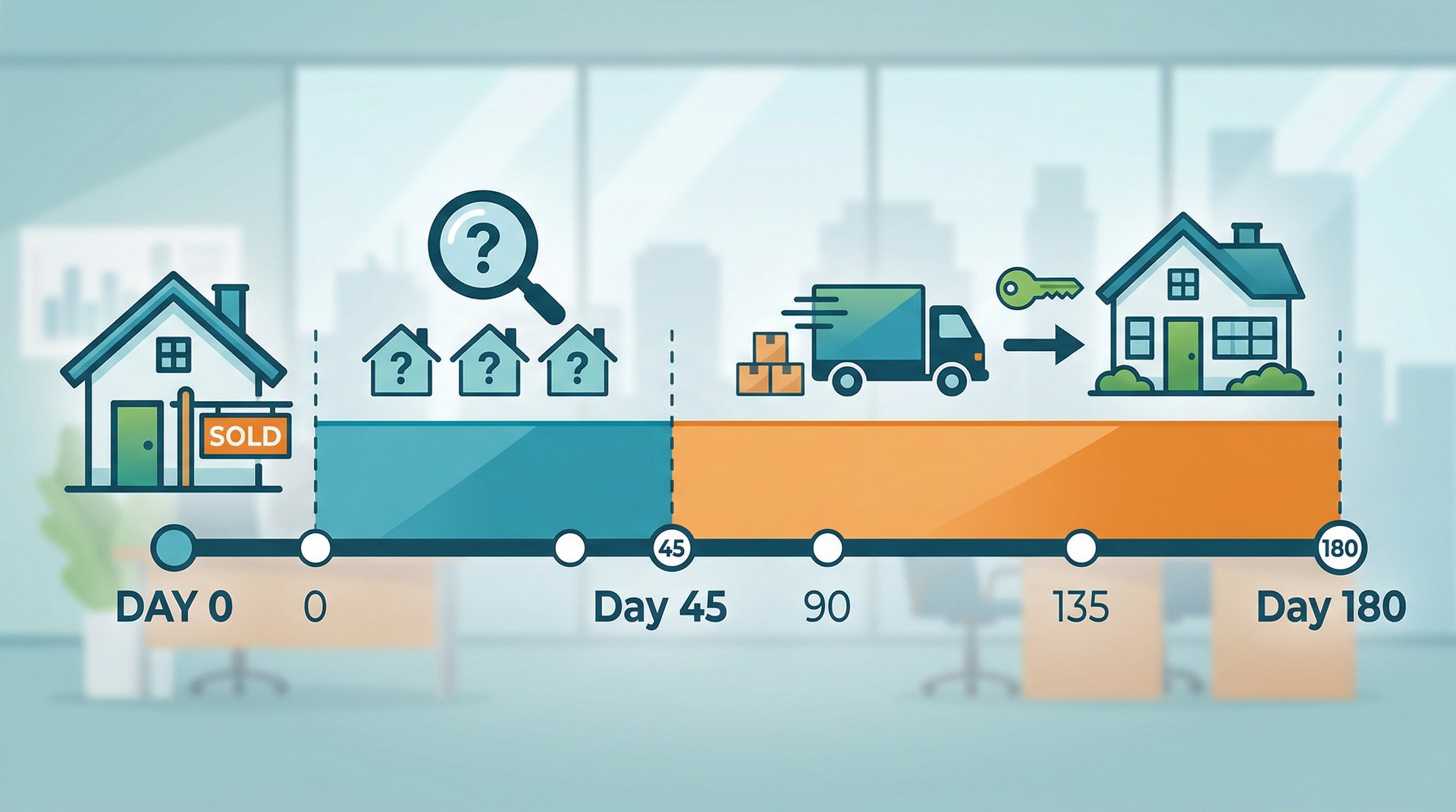
1031 exchanges are highly structured and time-sensitive. There are two critical deadlines:
- 45-Day Identification Period: You must identify potential replacement properties within 45 days of selling your original property
- 180-Day Closing Period: You must complete the purchase within 180 days
Missing either deadline disqualifies the exchange.
From a regulatory standpoint, the IRS governs 1031 exchange rules and requirements, making strict compliance essential for tax deferral eligibility.
What Qualifies as “Like-Kind” Property?
A common misconception is that “like-kind” means similar property types. In reality, the definition is broader.
For example:
- A single-family rental can be exchanged for a duplex
- A residential investment property can be exchanged for commercial real estate
The key requirement is that both properties are held for investment or business purposes—not personal use.
👉 What Makes a Good Long-Term Rental Property in San Luis Obispo County?
The Role of a Qualified Intermediary
You cannot handle the funds from the sale directly. A qualified intermediary (QI) must:
- Hold the proceeds from the sale
- Facilitate the exchange
- Ensure compliance with IRS regulations
This is not optional—it is a required part of the process.
In practice, experienced Central Coast investors prioritize working with reputable intermediaries to avoid technical errors that could invalidate the exchange.
Financial Strategy: Why Investors Use 1031 Exchanges

The primary benefit of a 1031 exchange is tax deferral—but the strategic advantage goes further.
Investors use exchanges to:
- Increase cash flow
- Improve asset quality
- Reallocate into stronger markets
👉 How to Evaluate Cash Flow on an Investment Property on the Central Coast
👉 What Investors Should Know About Duplexes and Multi-Unit Properties in San Luis Obispo County
On the Central Coast, where appreciation has been strong, this allows investors to leverage accumulated equity into more productive assets without immediate tax consequences.
Risks and Common Mistakes to Avoid
While powerful, 1031 exchanges come with risks:
- Failing to identify suitable replacement properties
- Overpaying due to time pressure
- Choosing the wrong property for long-term goals
What often stands out in San Luis Obispo County is that timing pressure can lead to rushed decisions. A disciplined approach is critical.
Additionally, California tax law and federal guidelines both play a role in how exchanges are treated, making it important to understand broader regulatory frameworks through sources like the California Franchise Tax Board.
How 1031 Exchanges Fit Into Long-Term Investment Strategy
A 1031 exchange is not just a one-time transaction—it’s often part of a long-term plan.
Common strategies include:
- “Trading up” into larger or higher-income properties
- Consolidating multiple properties into one
- Transitioning toward lower-maintenance investments
👉 How to Identify Undervalued Properties in San Luis Obispo County
👉 What Investors Should Know About Appreciation Trends on the Central Coast
Many experienced investors on the Central Coast use multiple 1031 exchanges over time to build and refine their portfolios while deferring taxes along the way.
FAQ
Can you do a 1031 exchange with a primary residence?
No, 1031 exchanges apply only to investment or business properties, not primary residences.
What happens if you miss the 45-day deadline?
The exchange fails, and capital gains taxes will apply to the sale.
Is a 1031 exchange worth it on the Central Coast?
In many cases, yes—especially given strong appreciation and limited inventory in San Luis Obispo County.
If you’re considering a 1031 exchange on the Central Coast and want to evaluate timing, property options, and long-term strategy, contact me.
Internal Linking Note
Some plain-text references in this article will become live internal links as additional Central Coast real estate guides are published.