When buying a home on the Central Coast, understanding how mortgage rates work is essential—but just as important is knowing how to protect the rate you’re offered. A mortgage rate lock allows buyers in San Luis Obispo County to secure an interest rate for a set period while their transaction moves toward closing. In a market where rates can shift quickly, this tool plays a critical role in financial planning and overall purchase strategy.
In many Central Coast transactions, what often stands out is that buyers who understand rate locks early are better prepared to make confident decisions when timing becomes critical.
What a Mortgage Rate Lock Actually Does
A mortgage rate lock is an agreement between a borrower and lender that guarantees a specific interest rate for a defined period, typically 15 to 60 days. During that window, the rate will not change—even if market conditions shift.
👉 How Interest Rate Changes Affect Buyers and Sellers on the Central Coast
👉 What Happens If a Home Appraisal Comes in Low on the Central Coast?
This protection is especially important in San Luis Obispo County, where even small rate changes can impact monthly payments and long-term affordability. Locking a rate provides predictability during a process that can otherwise feel uncertain.
When Buyers Typically Lock Their Rate
Most buyers lock their rate after their offer is accepted and they’ve entered escrow. At that point, timelines become more defined, and lenders can align the lock period with the expected closing date.
👉 What Buyers Should Know About Natural Hazard Disclosures in San Luis Obispo County
Locking too early can risk expiration before closing, while locking too late exposes buyers to potential rate increases. Timing the lock correctly is one of the most important decisions in the financing process.
How Rate Lock Periods Work
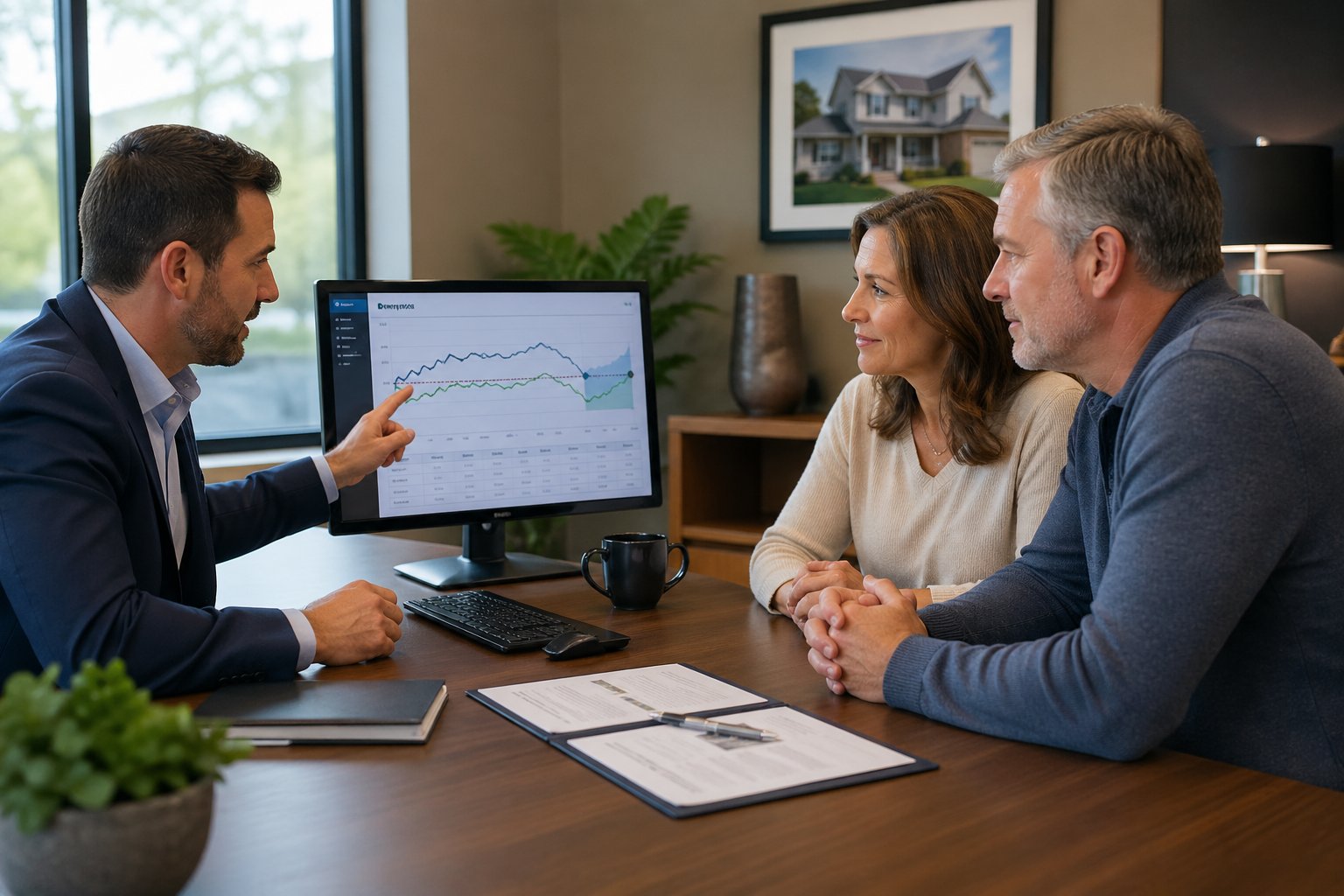
Rate locks come with specific durations—commonly 15, 30, 45, or 60 days. The length of the lock should match the expected escrow timeline.
👉 What Happens If Financing Falls Through During Escrow
Shorter locks may offer slightly better rates but carry more risk if delays occur. Longer locks provide more flexibility but may come at a higher cost. Buyers on the Central Coast should align lock duration with both lender guidance and transaction complexity.
What Happens If Rates Change After You Lock
Once your rate is locked, it typically will not increase even if market rates rise. However, if rates drop, you may or may not benefit depending on your lender’s policies.
👉 How to Compare Loan Options When Buying on the Central Coast
Some lenders offer “float down” options, allowing buyers to take advantage of lower rates under certain conditions. Understanding whether this option exists is important before locking.
Costs and Considerations of Rate Locks
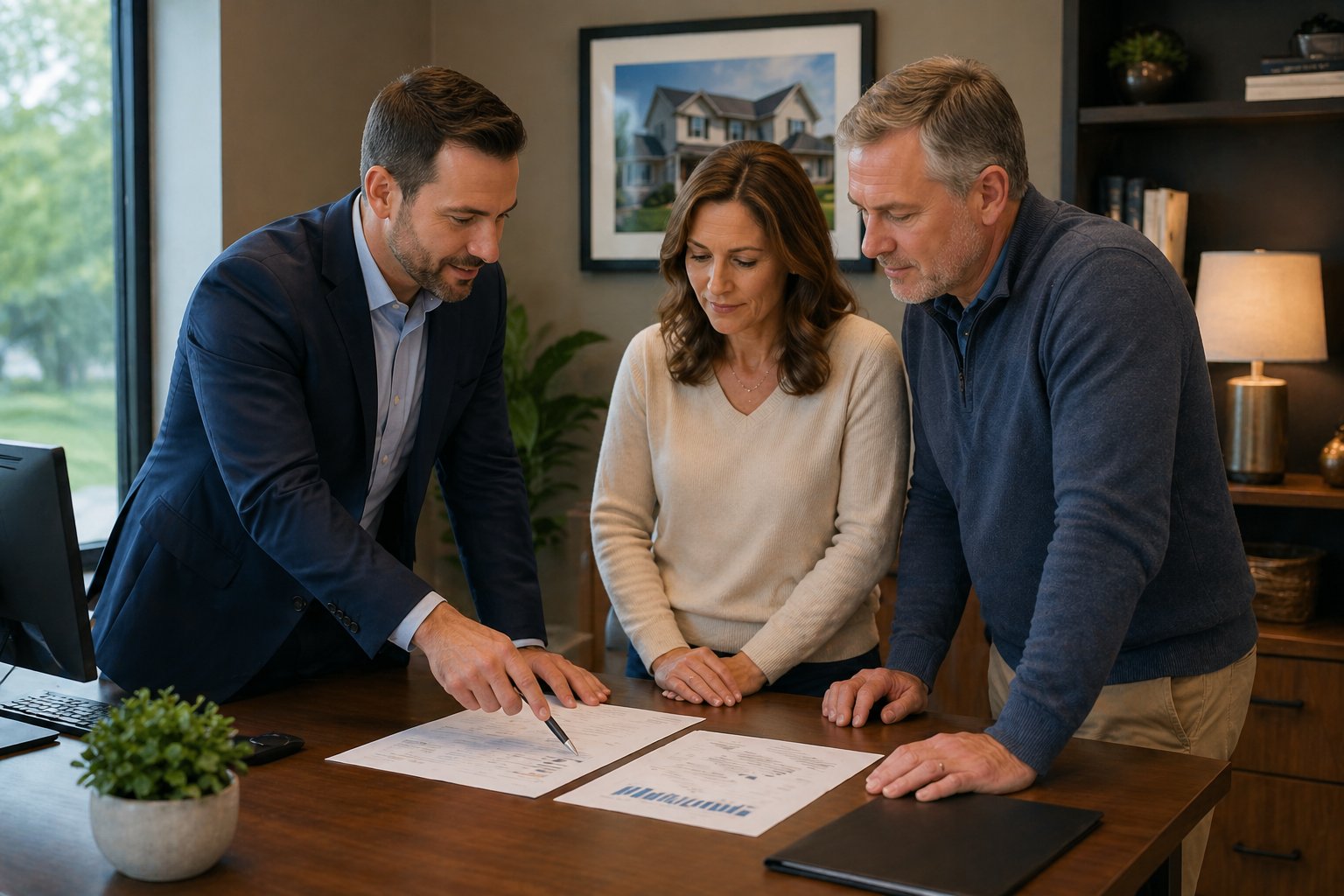
Rate locks are often included in the loan process, but in some cases—especially for extended lock periods—there may be additional fees.
👉 How Property Taxes Work for Investment Properties in San Luis Obispo County
Buyers should evaluate:
- Lock duration
- Associated costs
- Flexibility if closing timelines change
These factors all influence the overall financial outcome of the purchase.
Why Rate Locks Matter in a Changing Market
Interest rates are influenced by broader economic factors, and shifts can happen quickly. On the Central Coast, even small changes in rates can affect buying power and monthly affordability.
The Federal Reserve’s monetary policy plays a major role in influencing interest rate trends that impact mortgage pricing.
Locking a rate provides stability in an otherwise fluid environment and allows buyers to move forward with greater confidence.
How Lenders Structure Rate Lock Agreements
Rate lock agreements are formal components of the loan process and are governed by lending guidelines and regulatory oversight.
The Consumer Financial Protection Bureau outlines borrower protections and mortgage process standards that include rate lock considerations.
Understanding the structure of these agreements helps buyers avoid surprises and ensures they know exactly what is being secured.
Common Mistakes Buyers Make With Rate Locks
Buyers often misunderstand timing or assume rate locks automatically adjust with the market. Common mistakes include:
- Waiting too long to lock
- Choosing the wrong lock duration
- Not confirming lock terms in writing
Avoiding these issues requires clear communication with your lender and a strong understanding of your transaction timeline.
FAQ
How long does a mortgage rate lock last?
Most rate locks last between 15 and 60 days, depending on the lender and transaction timeline.
Can you change your rate after locking?
Typically no, unless your lender offers a float-down option.
Is a rate lock required?
No, but it is highly recommended to protect against rate increases during escrow.
If you’re planning to buy and want to better understand how mortgage rate locks affect your strategy on the Central Coast, contact me.
Internal Linking Note
Some plain-text references in this article will become live internal links as additional Central Coast real estate guides are published.